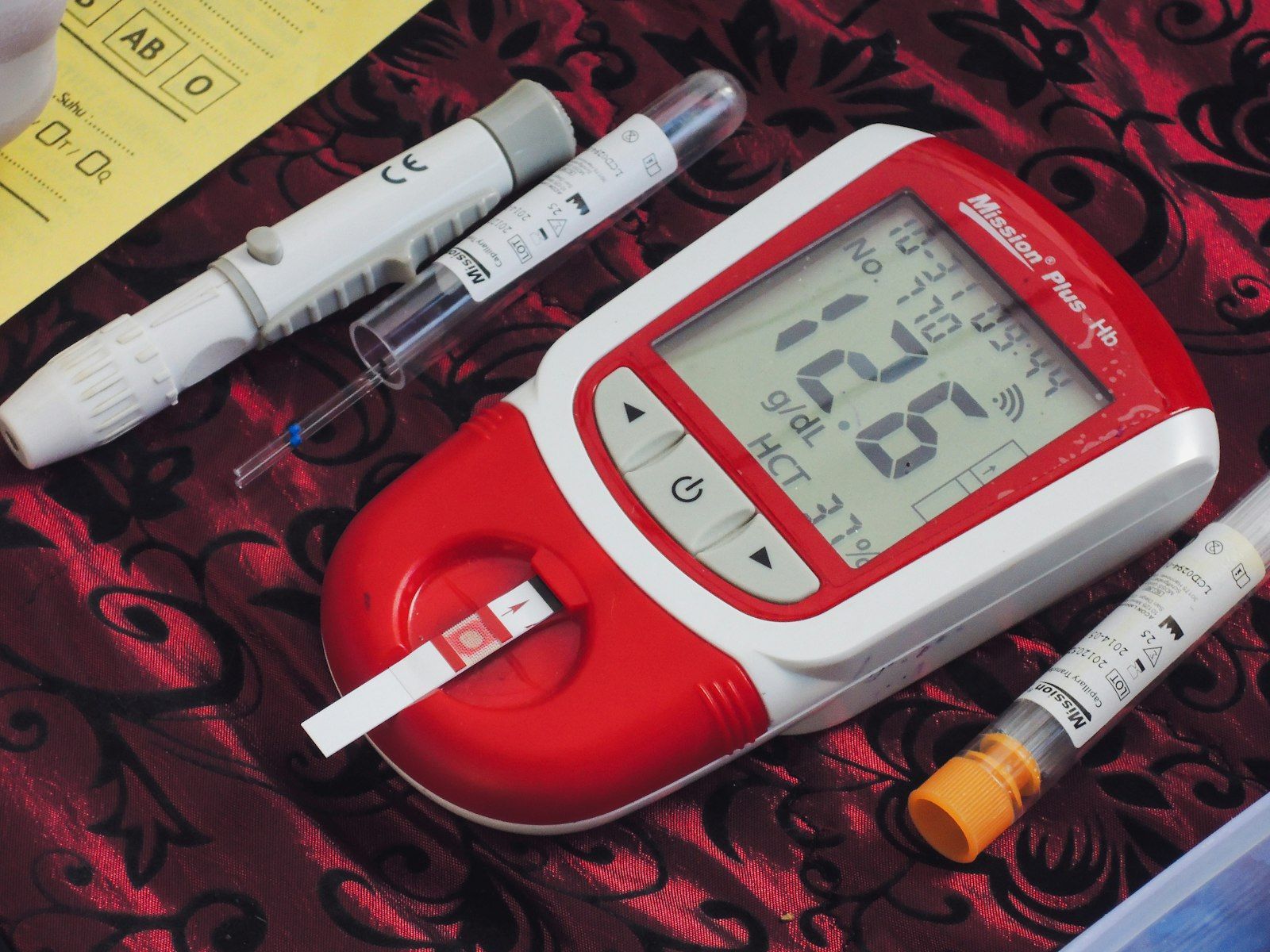
TL;DR: Creatinine below 1.3 mg/dl (men) or 1.1 mg/dl (women), eGFR above 90 ml/min/1.73 m², BUN 7 to 20 mg/dl (US units). eGFR below 60 for more than 3 months defines chronic kidney disease. Muscle mass, protein intake, dehydration and creatine supplementation distort creatinine. Cystatin C is muscle-independent and often more precise.
This article does not replace medical advice. If your eGFR is below 60, you have proteinuria or rising values, consult a nephrologist.
What Kidney Values Actually Show
Kidney values do not measure kidney health directly. They estimate how well the kidneys filter waste products from the blood. Two layers matter: filtration and damage markers.
Filtration capacity. Each kidney contains roughly 1 million nephrons. These tiny filters remove metabolic waste from the blood and produce urine. The glomerular filtration rate (GFR) measures how many milliliters of blood are filtered per minute. Normal: above 90 ml/min/1.73 m². Creatinine and cystatin C serve as estimators for GFR.
Damage markers. When nephrons are damaged, albumin leaks into the urine. The urine albumin/creatinine ratio (ACR) detects early damage long before GFR drops. Values below 30 mg/g are normal, 30 to 300 mg/g mean microalbuminuria, above 300 mg/g macroalbuminuria.
Practical example: your creatinine is 1.1 mg/dl, eGFR 82, BUN 18 mg/dl. Looks normal at first glance. But your urine albumin is 45 mg/g — early diabetic nephropathy. Without the urine test, the damage would stay hidden. In Lab2go you can track all four values over time and catch trends before your doctor does.
The 5 Key Kidney Markers
| Marker | Reference Range | What It Shows |
|---|---|---|
| Creatinine (serum) | 0.7 to 1.3 mg/dl men, 0.6 to 1.1 mg/dl women | Filtration, muscle-dependent |
| eGFR (CKD-EPI 2021) | above 90 ml/min/1.73 m² | Estimated glomerular filtration rate |
| Urea / BUN | 7 to 20 mg/dl (US), 17 to 43 mg/dl (EU urea) | Protein metabolism + filtration |
| Cystatin C | 0.5 to 1.0 mg/L | Filtration, muscle-independent |
| Urine albumin/creatinine (ACR) | below 30 mg/g | Glomerular damage, early marker |
For the full picture across all markers, read the guide on understanding blood values.
Creatinine: The Classic With Caveats
Creatinine comes from the breakdown of creatine phosphate in muscles. About 2 percent of your muscle creatine converts to creatinine daily and is excreted via the kidneys. The more muscle mass you have, the higher your baseline.
The muscle mass problem. A 95 kg strength athlete produces roughly twice as much creatinine as a 55 kg office worker — with identical kidney function. The eGFR formula corrects for age and sex but not muscle mass. So creatinine underestimates GFR in muscular people and overestimates it in seniors with sarcopenia.
Other influencing factors:
- Dehydration: creatinine rises 10 to 20 percent when fluid intake is low.
- Protein intake: a heavy steak meal 12 hours before the test raises creatinine by 0.1 to 0.2 mg/dl.
- Intense training: 48 hours after hard exercise, creatinine can rise up to 30 percent.
- Creatine supplement: 3 to 5 g creatine monohydrate daily raises serum creatinine by 0.1 to 0.3 mg/dl. This is a lab artifact, not kidney damage.
Practical scenario: your creatinine was 0.9 mg/dl in May. By October it reads 1.2 mg/dl. In between, you did 4 months of strength training, ate 2.5 g protein per kg and supplemented creatine. The change is fully explained by lifestyle — not kidney damage. For clarity: order cystatin C, pause creatine for 5 days, then retest.
eGFR: The Number That Counts
The estimated glomerular filtration rate (eGFR) is the most important single value for kidney function. The modern formula CKD-EPI 2021 uses creatinine, age and sex. One variant uses cystatin C, a third combines both.
CKD stages by eGFR:
| Stage | eGFR (ml/min/1.73 m²) | Meaning |
|---|---|---|
| G1 | above 90 | Normal (CKD only if damage markers positive) |
| G2 | 60 to 89 | Mildly reduced |
| G3a | 45 to 59 | Mild to moderate reduction |
| G3b | 30 to 44 | Moderate to severe reduction |
| G4 | 15 to 29 | Severely reduced |
| G5 | below 15 | Kidney failure, dialysis needed |
CKD is only diagnosed when eGFR stays below 60 for at least 3 months or additional damage markers (albuminuria, imaging findings) are present. A single low value is not a diagnosis. The trend matters.
Note: eGFR declines naturally with age. Per decade from 40 onward, you lose about 8 ml/min/1.73 m². A 70-year-old with eGFR 68 does not have kidney disease. That is age-physiological.
Urea and the BUN/Creatinine Ratio
Urea (in the US labeled BUN, Blood Urea Nitrogen) is the end product of protein metabolism. The liver produces urea, the kidneys excrete it. Unlike creatinine, urea fluctuates strongly with diet and hydration.
Reference range: 7 to 20 mg/dl (BUN, US units) or 17 to 43 mg/dl (urea, EU units).
The BUN/creatinine ratio is more informative than any single value. Normal is 10:1 to 20:1.
- Ratio above 20:1: prerenal cause. Dehydration, heart failure or blood loss. Kidneys are healthy but blood flow is reduced.
- Ratio below 10:1: low protein intake, liver insufficiency (less urea production) or overhydration.
Practical example: after a 24-hour fast with low fluid intake, your panel shows BUN 55 mg/dl, creatinine 1.0 mg/dl, ratio 55. That is dehydration, not a kidney problem. Two glasses of water and 3 hours later, values normalize.
For a clean lab: drink 2 to 3 liters of water in the 24 hours before, no protein bomb the night before, no intense training in the last 48 hours. See the biomarker baseline checklist for detailed prep.
Cystatin C: The Better Marker for Athletes and Seniors
Cystatin C is a small protein produced by all nucleated cells. Production is constant and independent of muscle mass, age (across decades) or diet. The kidneys filter cystatin C and break it down — perfect for GFR estimation.
When cystatin C beats creatinine:
- Extreme muscle mass: bodybuilders, strength athletes above 85 kg lean mass.
- Sarcopenia: seniors over 70 with low muscle mass.
- Vegans and vegetarians: low creatinine baseline due to low meat intake.
- Grey zone eGFR 45 to 75: cystatin C-based formula is more precise.
- Amputees or people with neuromuscular disorders.
The CKD-EPI Cys 2021 calculator combines cystatin C with age and sex for a more precise eGFR. Cost: 15 to 30 euros as an out-of-pocket test. With diabetes, hypertension or creatine supplementation, cystatin C every 12 months adds a valuable trend marker.
Influencing Factors: What Really Moves Your Values
Six factors distort kidney values most often. Log them in Lab2go with every measurement to avoid misinterpretation.
Muscle mass. Most important factor for creatinine. Muscle mass changes over years — and so does baseline creatinine. A strength athlete gaining 5 kg of muscle in 2 years may see creatinine move from 1.0 to 1.2 mg/dl. That is physiological.
Protein intake. A high-protein meal 12 hours before the test raises both creatinine and urea. Studies show: after 300 g of beef steak, creatinine rises by 0.1 to 0.2 mg/dl and urea by 8 to 15 mg/dl. For clean values: avoid red meat 12 hours before the test.
Hydration. Dehydration raises creatinine by 10 to 20 percent and urea by up to 50 percent. Drink 2 to 3 liters of water in the 24 hours before the test.
Training. Intense strength or endurance work in the last 48 hours raises creatinine through muscle breakdown. Marathon runners show creatinine 1.5 to 2 times the upper limit directly after a race. After 72 hours of rest, values normalize.
Creatine supplementation. 3 to 5 g creatine monohydrate daily raises serum creatinine by 0.1 to 0.3 mg/dl. The effect is a lab artifact, not reduced filtration. Long-term studies over 5 years show no kidney damage in healthy users. More on supplement choice in the supplement beginners guide.
Medications. NSAIDs (ibuprofen, diclofenac, naproxen), ACE inhibitors, ARBs, lithium, certain antibiotics and contrast agents influence kidney values. Continuous ibuprofen use for more than 1 week triples the risk of acute kidney injury.
Supplements and Kidneys: What Actually Matters
The fear of “kidney-damaging supplements” is often overblown. With healthy kidneys, most products are fine. Three groups deserve attention.
Creatine monohydrate. 3 to 5 g daily raise serum creatinine by 0.1 to 0.3 mg/dl. Actual GFR (measured via cystatin C or inulin) stays unchanged. Studies over 5 years show no damage in healthy kidneys. With existing CKD (eGFR below 60), consult a nephrologist first. Pause creatine 3 to 5 days before a blood test for clean values.
High-dose protein. 2 to 3 g protein per kg body weight is safe for healthy kidneys. The short-term GFR rise after protein meals is physiological hyperfiltration, not damage. In CKD: reduce to 0.6 to 0.8 g/kg. With family history of kidney disease, keep intake below 1.6 g/kg.
NSAIDs and over-the-counter painkillers. Ibuprofen, diclofenac and naproxen genuinely stress the kidneys. Continuous use for more than 7 days meaningfully raises the risk of acute kidney injury. With chronic use: check creatinine and eGFR every 6 months. Acetaminophen (up to 3 g/day) is kidney-friendlier but burdens the liver. More on that in the liver values guide.
Kidney-friendly supplements: omega-3 (2 to 3 g EPA/DHA) reduces albuminuria in diabetics. Magnesium and potassium support blood pressure. Adequate hydration — 30 to 35 ml per kg body weight — is the most important “supplement” for the kidneys.
When to See a Doctor
Four situations are a clear signal for a nephrology workup.
eGFR below 60 for more than 3 months. This defines chronic kidney disease. Cause workup needed: diabetes, hypertension, glomerulonephritis, polycystic kidney disease, NSAID abuse. Early diagnosis significantly slows progression.
Urine albumin above 30 mg/g. Microalbuminuria is often the first sign of diabetic or hypertensive nephropathy — years before eGFR drops. A simple spot urine test is enough. Cost: 10 to 20 euros.
Rising creatinine trend. A rise of more than 0.3 mg/dl over 3 to 6 months — without an obvious lifestyle cause — needs investigation. Document context in Lab2go (training, protein, medications) and show your doctor the trend.
Symptoms of kidney dysfunction. Unexplained fatigue, nausea, swelling in legs or eyelids, foamy urine, blood in urine or markedly reduced urine volume. Most CKDs remain asymptomatic for a long time. When symptoms appear, you are often already at G3 or beyond.
Stay extra vigilant if you also have elevated inflammation markers — chronic inflammation and kidney damage reinforce each other.
Tracking: How Often to Test
Standard (healthy adults). Once a year creatinine, eGFR and urea as part of the basic blood panel. Out-of-pocket cost: 10 to 20 euros.
Risk groups. With diabetes, hypertension, cardiovascular disease or family history: every 6 months. Add urine albumin/creatinine ratio (10 to 20 euros).
Supplement stack or medication. With regular NSAIDs, ACE inhibitors, lithium or high-dose creatine: semi-annually creatinine, eGFR and cystatin C.
Diagnosed CKD. Quarterly creatinine, eGFR, cystatin C, urine albumin and blood pressure tracking. Combined with an annual inflammation marker check.
Document with every measurement: fluid intake 24 hours before, protein intake the day before, training in the last 48 hours, current medications, supplement stack. Without that context, you are comparing apples and oranges.
Bottom Line: Kidney Values Are Trend Data
A single kidney value tells you little. The trend across 6 to 12 months tells you everything. Creatinine has weaknesses due to muscle mass dependence — add cystatin C if you are muscular, vegan or older. eGFR is your key single number, but urine albumin catches damage earlier.
Three steps to get started:
- Set your baseline. Creatinine, eGFR, urea and urine albumin/creatinine ratio. Cost: 20 to 50 euros.
- Add cystatin C if you are muscular, take creatine or are over 70.
- Document context. Hydration, protein, training, medications — without that, values are not comparable.
Start today with the biomarker baseline checklist. For the digital side, explore the features of Lab2go or compare the plans and pricing.
This article does not replace medical advice. If your eGFR stays below 60 for more than 3 months, creatinine is rising, you see blood in urine or foamy urine, consult a nephrologist. Self-tracking complements medicine. It does not replace it.
Article FAQ
- When are kidney values actually concerning?
- Creatinine above 1.3 mg/dl in men or 1.1 mg/dl in women is elevated. More important is eGFR: values below 60 ml/min/1.73 m² over more than 3 months define chronic kidney disease (CKD). BUN above 20 mg/dl is borderline, below 25 mg/dl usually harmless. A single value means little. The trend over 3 to 6 months matters more than a snapshot.
- Why is my creatinine elevated when I am healthy?
- Muscle mass is the most common reason. Creatinine comes from muscle metabolism. More muscle means a higher baseline creatinine without any kidney damage. A bodybuilder with 95 kg lean mass can sit at 1.4 mg/dl with perfectly healthy kidneys. Other factors: high protein intake above 2 g/kg, dehydration, intense training in the last 48 hours, creatine supplementation. For clarity, use cystatin C. It is muscle-independent.
- Does creatine monohydrate really raise creatinine levels?
- Yes, creatine supplementation raises serum creatinine by 0.1 to 0.3 mg/dl on average. This is not kidney damage but a lab artifact. Creatine breaks down to creatinine. Actual filtration (GFR measured via cystatin C or inulin) stays unchanged. Pause creatine 3 to 5 days before a blood test for a clean baseline, or use cystatin C directly. Long-term studies over 5 years show no kidney damage with 3 to 5 g creatine daily in healthy people.
- What is the difference between eGFR and creatinine clearance?
- eGFR (estimated Glomerular Filtration Rate) is a formula combining creatinine, age, sex and (historically) race. The current version is CKD-EPI 2021. Creatinine clearance is calculated directly from a 24-hour urine collection plus a blood value — more accurate but cumbersome. For screening, eGFR is enough. In unclear cases, with extreme muscle mass or amputations, clearance measurement comes into play. Cystatin C-based eGFR is a modern alternative.
- What does urea (BUN) add to creatinine?
- Urea (BUN, Blood Urea Nitrogen) responds faster to dehydration and protein intake than creatinine. High BUN with normal creatinine usually points to fluid deficit or a high-protein diet. The BUN/creatinine ratio (normal 10:1 to 20:1) helps differentiation: above 20:1 points to prerenal causes (dehydration, heart failure), below 10:1 to liver issues or low protein intake. Drink enough water 24 hours before the test for a clean reading.
- When should I order cystatin C?
- Cystatin C is the better choice when creatinine could be skewed. That applies to bodybuilders, vegans, seniors over 70, pregnant women and people with significantly altered muscle mass. Reference range: 0.5 to 1.0 mg/L. The cystatin C-based eGFR (CKD-EPI Cys 2021) is especially informative in the grey zone between eGFR 45 and 75. Cost: 15 to 30 euros as an out-of-pocket test. With diabetes or hypertension, cystatin C every 12 months provides a precise trend marker.
- What eGFR value is dangerous?
- eGFR above 90 ml/min/1.73 m² is normal. 60 to 89 means mild reduction (stage G2) — usually no action needed without additional findings. Below 60 for more than 3 months defines CKD (G3a: 45–59, G3b: 30–44). Below 30 is severe reduction (G4), below 15 is kidney failure (G5) requiring dialysis. Important: a single value below 60 is not yet CKD. You need at least two measurements 3 months apart.
- Does a high-protein diet damage the kidneys?
- In healthy kidneys, no. Studies over 12 months with 2 to 3 g protein per kg body weight show no decline in GFR. The short-term rise in filtration rate after protein meals is physiological, not pathological. With existing CKD (eGFR below 60), the recommendation is to reduce protein to 0.6 to 0.8 g/kg. If you have a family history of kidney disease or diabetes, keep intake below 1.6 g/kg and check values annually.
- Which medications stress the kidneys most?
- NSAIDs (ibuprofen, diclofenac, naproxen) are the most common kidney offenders in self-medication. Continuous use for more than 1 week triples the risk of acute kidney injury. Other problem substances: ACE inhibitors and ARBs during dehydration, certain antibiotics (aminoglycosides, vancomycin), contrast agents for imaging, lithium and high-dose acetaminophen. If you take NSAIDs regularly, check creatinine and eGFR every 6 months. Acetaminophen at normal doses is kidney-friendlier than NSAIDs.
- How often should I test my kidney values?
- For healthy adults, once a year as part of a basic blood panel is enough. With hypertension, diabetes, cardiovascular disease or family history, every 6 months. If you regularly take NSAIDs, ACE inhibitors, lithium or creatine, test semi-annually. The combination creatinine + eGFR + urea + urine albumin/creatinine ratio costs 20 to 50 euros as an out-of-pocket test. With existing CKD, aim for quarterly checks including cystatin C.
This article is for general information only and is not a substitute for individual medical advice, diagnosis, or treatment. Discuss any changes to your diet, supplementation, or medication with a qualified healthcare professional.

Physician focused on preventive medicine, women's health, and connected diagnostics.
Areas of focus
Discussion
Community comments coming soon. Until then, we welcome feedback and questions via email.
E-Mail anzeigen