TL;DR: A spring liver panel — ALT, AST, GGT, bilirubin — gives you a real post-winter baseline. Mild elevations under 2× the upper limit are common and often reversible. Supplements with at least some data behind them: NAC 600 mg/day and silymarin 200–400 mg/day. No juice cleanse will do what a blood test, a walk, and 8 hours of sleep will.
This article does not replace medical advice. If your values are significantly elevated or you have symptoms, consult a doctor.
Why Winter Is Hard on Your Liver
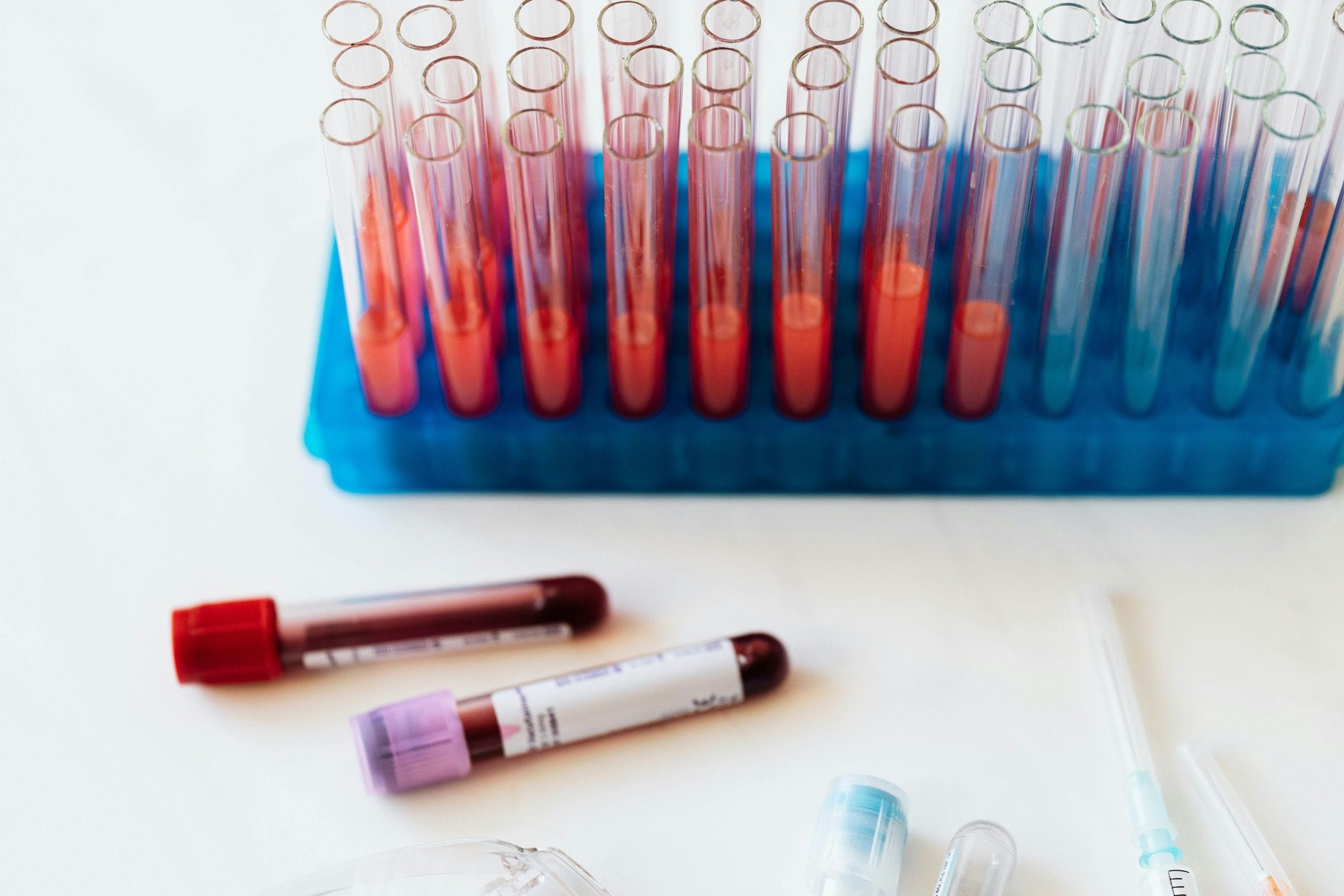
From November through March, four stressors hit your liver at once. Physical activity drops, caloric intake rises, alcohol consumption peaks during the holidays, and vitamin D levels fall to their annual low. Your liver handles all of it — the extra dietary fat, the detoxification load from alcohol, the increased demand for glucose metabolism.
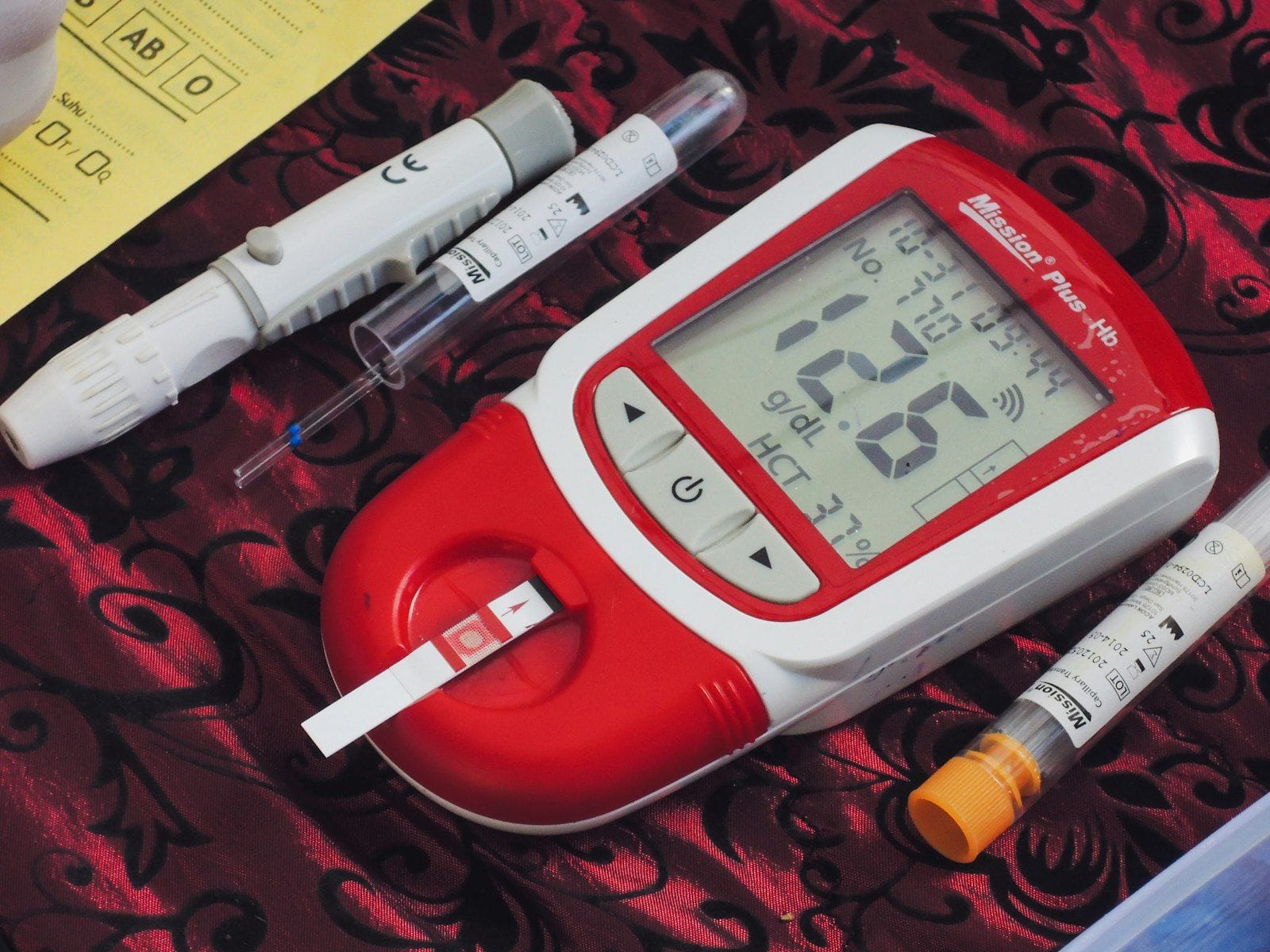
The result: a predictable seasonal uptick in liver enzymes. ALT and GGT, in particular, tend to be measurably higher in late winter than in summer. A spring panel, taken in April or May after you have re-established normal routines, gives you a meaningful snapshot of where you actually stand.
This is not about finding disease. It is about knowing your numbers and tracking the direction they move.
The Three Liver Markers You Need
Before you do anything with supplements or protocols, get the data.
ALT (alanine aminotransferase) is the most liver-specific marker in routine blood work. It is found almost exclusively in hepatocytes. When ALT rises, liver cells are being damaged or are under stress. Reference range: below 45 U/L in men, below 34 U/L in women.
AST (aspartate aminotransferase) overlaps with muscle and heart tissue. Elevated AST with normal ALT often points to muscle damage, for example from exercise, rather than liver stress. When both rise together, the liver is more likely involved. Reference range: below 35 U/L.
GGT (gamma-glutamyltransferase) is a sensitive marker for alcohol intake, fatty liver, and bile duct stress. It can be elevated even when ALT and AST are normal. High GGT is also an independent cardiovascular risk factor. Reference range: below 60 U/L in men, below 40 U/L in women.
| Marker | Reference Range (Men) | Reference Range (Women) | Primary Signal |
|---|---|---|---|
| ALT | < 45 U/L | < 34 U/L | Liver cell damage |
| AST | < 35 U/L | < 35 U/L | Cell damage (liver + muscle) |
| GGT | < 60 U/L | < 40 U/L | Alcohol, fatty liver, bile |
| Bilirubin | < 1.2 mg/dl | < 1.2 mg/dl | Bile processing |
Track these over time in Lab2go. A single value tells you where you are. Two or three values over 12 months tell you whether you are improving.
What Elevated Post-Winter Values Actually Mean
Most people who test in spring find values between 1× and 2× the upper limit. This is the range to understand before you panic or celebrate.
1× to 2× ULN: Metabolic stress. This is the zone of reversibility. Dietary fat accumulation, moderate alcohol intake, reduced exercise — these are the typical causes. An 8-week lifestyle reset (see below) normalizes most values in this range.
2× to 3× ULN: Borderline. Repeat the test in 4 to 6 weeks after making changes. If values persist, your doctor should rule out viral hepatitis, drug-induced injury, or more advanced fatty liver.
Above 3× ULN: This warrants medical evaluation within weeks, not months. Do not try to optimize your way out of significantly elevated liver enzymes — get the workup done.
The combination of markers matters as much as the individual numbers. ALT elevated, GGT normal: likely hepatocellular stress without bile involvement. GGT elevated, ALT normal: often alcohol-related or an early metabolic signal. Both elevated: broader liver stress pattern.
Then add the De Ritis ratio — AST divided by ALT. Below 1, ALT dominates and the signal points at the liver itself: fatty liver, the usual post-winter pattern. Between 1 and 2 is not a zone of its own but an overlap: in the comparison study by Sorbi et al. (Am J Gastroenterol, 1999), ratios in fatty liver reached up to 2.8 while alcohol-related liver disease started at 1.1, so both groups sit side by side in that band. A single value there does not separate the causes — context does: recent hard training, medication, when you last drank. At 2 and above, it stops being a self-tracking question. In Nyblom et al. (Alcohol and Alcoholism, 2004), 69% of hospitalised patients with alcohol-related cirrhosis had a ratio of 2 or higher, while 64% of alcohol-dependent patients admitted for withdrawal treatment stayed at 1.0 or below. Read the direction carefully: a high ratio points to advanced liver disease, not simply to heavy drinking. And remember AST also sits in skeletal muscle — a hard session in the week before the draw raises it without the liver being involved. After an intensive weightlifting session, AST and ALT stayed above the reference range for at least seven days in healthy men (Pettersson et al., Br J Clin Pharmacol, 2008). The ratio narrows the search; it does not make the diagnosis.
See the liver values guide for a detailed breakdown of each marker and what the combinations mean.
Detox: What the Evidence Actually Says
The commercial detox industry generates billions annually. The clinical evidence for it is near-zero.
Your liver runs two enzymatic detox phases continuously. Phase I cytochrome P450 enzymes break down fat-soluble toxins, medications, and metabolic waste. Phase II reactions (glucuronidation, sulfation, glutathione conjugation) convert these intermediates into water-soluble compounds for excretion. This system works 24 hours a day without any external intervention.
A 2015 systematic review in the Journal of Human Nutrition and Dietetics (Klein & Kiat) found no randomized controlled trials supporting commercial detox programs for toxin elimination. Not “limited evidence” — no trials. The category simply has not been studied because there is no proposed mechanism that would make a juice fast outperform normal liver physiology.
What actually works:
- Eliminate or drastically reduce alcohol — GGT drops by half within 2 to 4 weeks
- Reduce saturated fat and refined carbohydrates — the dietary change most consistently linked to falling ALT in mild fatty liver
- Exercise 150+ minutes per week — aerobic training independently reduces hepatic steatosis
- Sleep 7 to 9 hours — sleep deprivation raises inflammatory cytokines that stress the liver
- Add dietary fiber — fiber increases bile acid excretion, reducing hepatic cholesterol load
These interventions are not exciting. They do not require a product. And they have clinical trial data behind them.
Supplements With Actual Data Behind Them
If your baseline values are elevated or you want additional support alongside lifestyle changes, two supplements are the ones that have been studied at all.
NAC (N-Acetylcysteine)
NAC is a precursor to glutathione — the liver’s primary antioxidant molecule. In Phase II detoxification, glutathione conjugates reactive intermediates and neutralizes free radicals generated by Phase I processing.
The strongest clinical evidence for NAC is in acute settings: it is the standard treatment for acetaminophen overdose because it replenishes glutathione before liver damage becomes irreversible. In chronic settings the evidence is much thinner: NAC has been reported to lower transaminases in NAFLD, but from small trials, and the size of that effect is not established.
Practical protocol: 600 mg once daily with breakfast for 8 to 12 weeks. Take with vitamin C (200–500 mg) to maintain NAC in its reduced (active) form. If you experience nausea, split the dose or take with food.
Silymarin (Milk Thistle)
Silymarin is a flavonoid complex extracted from Silybum marianum. It is the most studied herbal hepatoprotectant, with over 50 clinical trials of varying quality.
Its mechanisms are well-characterized: it acts as an antioxidant, inhibits lipid peroxidation in hepatocyte membranes, and reduces inflammatory signaling through Kupffer cells. Trials in alcoholic liver disease and chronic hepatitis point towards reductions in ALT and AST, but they differ widely in design and quality and the size of the effect is not settled.
Practical protocol: 200 to 400 mg per day of a standardized extract (70–80% silymarin content). Higher doses offer diminishing returns and are not better tolerated. Duration: 8 to 12 weeks for a post-winter reset.
What to Avoid
High-dose niacin above 500 mg per day is hepatotoxic — it is one of the more common causes of drug-induced liver injury in the supplement-using population. Green tea extract above 800 mg EGCG has been linked to acute hepatitis in case reports. Anabolic compounds and prohormones are directly liver-toxic in standard doses. Kava is banned in the EU for this reason.
If you are stacking supplements, add each one individually and retest your liver values after 8 to 12 weeks. Do not assume that “natural” means safe.
Red Flags That Change the Protocol
Self-management is appropriate for mildly elevated values in otherwise healthy individuals. These findings require medical evaluation:
- Jaundice — yellow tint to skin or whites of the eyes, even mild
- Dark urine (tea- or cola-colored) — suggests bilirubin excretion
- Clay or pale stools — bile duct obstruction
- Right upper quadrant pain — liver swelling, gallstones, or acute injury
- Unexplained fatigue + elevated values — could indicate viral hepatitis
In blood work: ALT above 135 U/L, AST/ALT ratio above 2, bilirubin above 3 mg/dl, or albumin below 3.5 g/dl. Any combination of these findings means you need a doctor this week, not in three months.
Building a Spring Protocol
Here is a concrete 8-week reset based on the evidence:
Week 1–2: Get the baseline blood test first. No point adding supplements before you know your numbers. Use Lab2go to order a targeted liver panel without a GP referral.
Weeks 1–8 (lifestyle):
- Alcohol: zero, or maximum 1 standard drink per day (ideally zero for the reset period)
- Exercise: 3× aerobic sessions per week, 45 minutes minimum
- Diet: reduce processed food, add cruciferous vegetables (broccoli, Brussels sprouts — these upregulate Phase II enzymes)
- Sleep: 7 to 9 hours, consistent schedule
Weeks 1–8 (supplements, optional):
- NAC 600 mg with breakfast
- Silymarin 200 mg with dinner
- Vitamin D3 2000–4000 IU if you did not supplement over winter
Week 8: Repeat the blood test. Compare to your baseline. If ALT and GGT have moved clearly downward, the protocol is working. If values have not moved or have risen, it is time for a medical consultation and potentially an ultrasound.
Tracking in Lab2go lets you overlay both tests on a single chart and see the trend clearly without manually comparing PDF reports.
The Bottom Line
Winter stresses your liver through predictable mechanisms: less movement, more calories, more alcohol, less sun. A spring blood panel tells you whether your body recovered or whether the damage accumulated.
The response to elevated values is not a detox cleanse. It is measurable lifestyle changes and, where warranted, evidence-backed supplementation. Track your values. Know your direction. That is the practical version of liver health.
Article FAQ
- Why do liver values often rise during winter?
- Several winter-specific factors stress the liver simultaneously. Physical activity drops, caloric intake rises, and alcohol consumption increases during the holiday period from November through January. Vitamin D deficiency, which is near-universal in Northern Europe from October to March, is frequently observed alongside higher ALT in fatty liver, although the causal direction is not settled. The combination of reduced activity, dietary excess, and micronutrient deficiency creates a predictable uptick in liver enzyme levels that typically peaks in February and March.
- Which liver values should I test in spring?
- A meaningful spring panel includes ALT (alanine aminotransferase), AST (aspartate aminotransferase), GGT (gamma-glutamyltransferase), and bilirubin as a minimum. Add alkaline phosphatase (ALP) if GGT is elevated to rule out bile duct issues. For a complete picture, include fasting glucose, triglycerides, and albumin — all three are relevant to assessing fatty liver progression. The total cost for an extended liver panel at a private lab runs between 40 and 80 euros out-of-pocket. In [Lab2go](/en/features) you can track all these values in a single dashboard and see whether your spring check is better or worse than last year.
- What do mildly elevated ALT or GGT after winter mean?
- Values between 1× and 2× the upper limit of normal (ULN) are common in spring and do not automatically indicate liver disease. For reference: ALT ULN is 45 U/L for men and 34 U/L for women; GGT ULN is 60 U/L for men and 40 U/L for women. Elevations in this range usually reflect metabolic stress — excess dietary fat, reduced physical activity, or moderate alcohol intake. They are often fully reversible within 8 to 12 weeks of lifestyle correction. Values above 3× ULN warrant a repeat test in 4 to 6 weeks and a conversation with a doctor.
- Is 'detox' after winter scientifically valid?
- The liver detoxifies continuously through two enzymatic phases (Phase I cytochrome P450 enzymes, Phase II conjugation reactions). There is no clinical evidence that any commercially sold detox product, juice cleanse, or herbal tea accelerates this process in healthy individuals. A 2015 systematic review in the Journal of Human Nutrition and Dietetics found no randomized controlled trials supporting commercial detox programs. What does measurably support liver recovery: eliminating alcohol, reducing saturated fat, increasing dietary fiber, exercising 150+ minutes per week, and sleeping 7 to 9 hours. These are the interventions with actual trial data behind them. How far your own ALT moves, and how fast, is something only a repeat test shows — there is no reliable average to quote.
- Does NAC (N-acetylcysteine) support liver health?
- NAC is a precursor to glutathione, the liver's primary antioxidant defense. Clinical evidence is strongest in acute settings — NAC is the standard treatment for acetaminophen overdose. In chronic liver disease the picture is much thinner: there are signals that NAC lowers transaminases in NAFLD, but the trials are small and no reliable effect size follows from them. For healthy individuals doing a post-winter reset, 600 mg once daily with meals is a well-tolerated option. Gastrointestinal side effects (nausea) are possible at higher doses.
- How effective is silymarin (milk thistle) for the liver?
- Silymarin is the most studied herbal hepatoprotectant. Trials at 200 to 400 mg per day in alcoholic liver disease and viral hepatitis point towards lower ALT and AST, but they differ widely in quality and the reported effect is small. Silymarin works via three mechanisms: antioxidant activity, inhibition of lipid peroxidation, and mild anti-inflammatory effects on Kupffer cells. It is well-tolerated with a favorable safety profile. Standardized extracts (70–80% silymarin content) outperform unstandardized herbal teas.
- What are the red flags that require urgent medical attention?
- Seek medical attention without delay if you notice jaundice (yellow skin or eyes), dark urine, clay-colored stools, right upper abdominal pain, or swelling of the abdomen. In the blood test: ALT above 3× ULN (>135 U/L in men), AST/ALT ratio above 2 (suggesting alcoholic hepatitis or cirrhosis), bilirubin above 3 mg/dl, or albumin below 3.5 g/dl. Any of these findings, especially in combination, require same-week medical evaluation — they exceed the scope of self-management.
- How long does it take liver values to normalize after lifestyle changes?
- GGT responds fastest: after stopping alcohol it drops by half within 2 to 4 weeks, following the enzyme's 14 to 26 day half-life. ALT typically normalizes within 4 to 8 weeks of sustained lifestyle changes in mild fatty liver cases. AST follows a similar timeline when the elevation was hepatic rather than muscular. Combining a Mediterranean-style diet with aerobic exercise is the pattern most consistently associated with falling ALT in mild NAFLD, but how far the values move differs a lot between individuals. For persistent elevations, an ultrasound is the next diagnostic step.
This article is for general information only and is not a substitute for individual medical advice, diagnosis, or treatment. Discuss any changes to your diet, supplementation, or medication with a qualified healthcare professional.

Maritta Schmid, State-licensed Heilpraktikerin (German non-medical health practitioner), Licence under the German Heilpraktikergesetz, issued by Gesundheitsamt Heilbronn (February 2010), Supervisory authority: Landratsamt Ostalbkreis – Gesundheitsamt Aalen
Heilpraktikerin & Founder
Schwäbisch Gmünd, Germany
Connects health data, technology, and practical routines for real behavioral change.
Discussion
Community comments coming soon. Until then, we welcome feedback and questions via email.
Send feedback