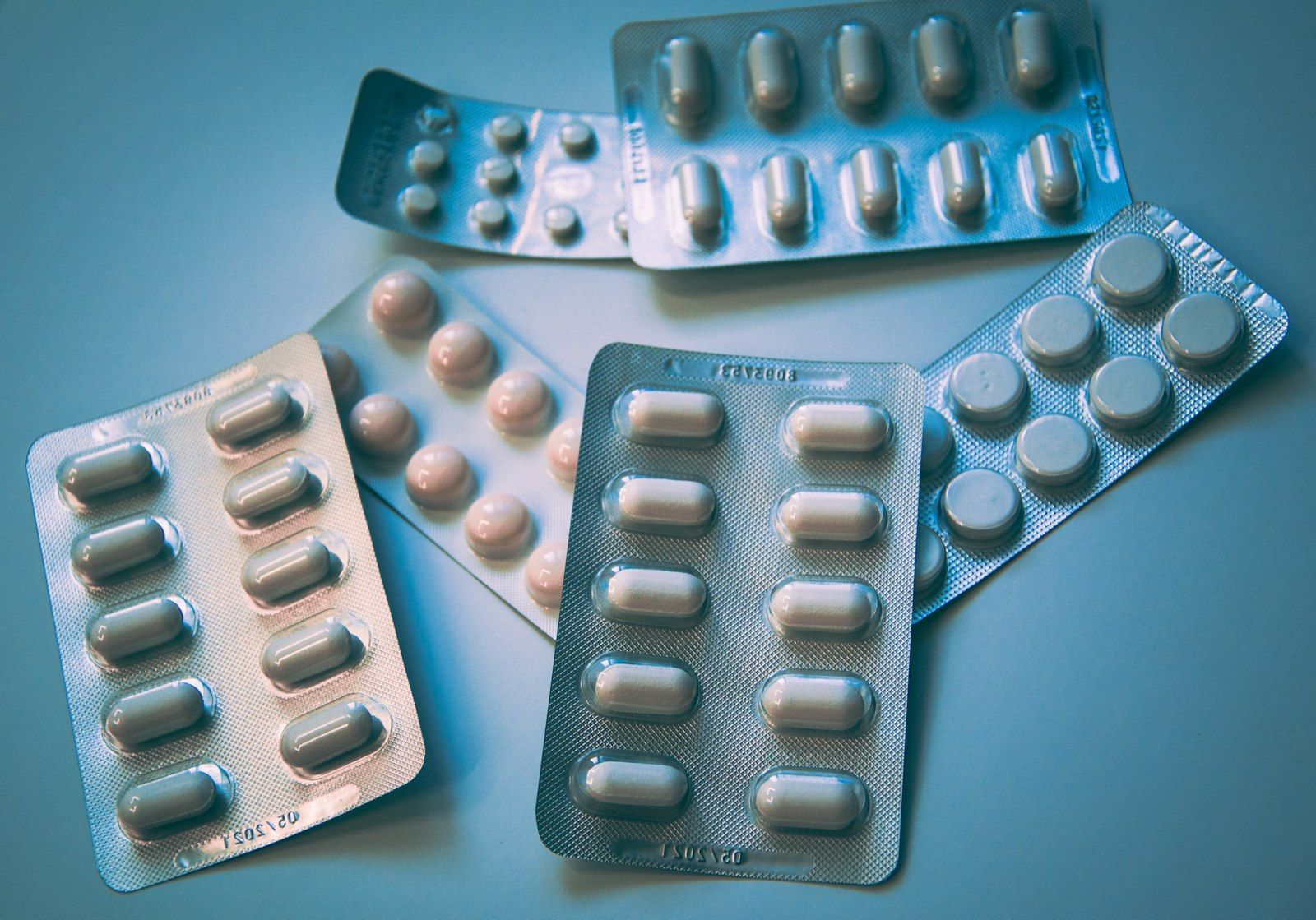
TL;DR: With ferritin below 30 ng/ml or clear symptoms, supplementation makes sense. Iron bisglycinate 20 to 40 mg elemental iron every other day, fasting in the morning, with 100 to 200 mg vitamin C. No coffee, tea or dairy in the window from 1 hour before to 2 hours after. Retest ferritin after 8 to 12 weeks, hemoglobin after 4 weeks. If ferritin drops below 15 ng/ml or you cannot tolerate oral iron: intravenous infusion.
This article does not replace medical advice. With clear symptoms or unexplained deficiency, consult a doctor.
When to Supplement — and When Not To
Iron is one of the most commonly deficient nutrients but also one of the most commonly mis-dosed supplements. The first question is whether you should supplement at all. Three clear criteria guide the decision.
Ferritin below 30 ng/ml. That is the most important number. Labs often list 15 ng/ml as the lower limit, but symptoms like fatigue, hair loss and poor concentration appear below 50 ng/ml. Below 30 ng/ml supplementation is almost always justified. For the biomarker fundamentals read the ferritin guide: ferritin and iron deficiency.
Clear symptoms despite borderline values. If your ferritin sits at 35 to 45 ng/ml and you have persistent fatigue, brain fog, hair loss or restless legs, an 8-week trial is justified. Retest afterwards — if symptoms and ferritin improve, you were in deficient territory.
Risk groups. Menstruating women lose 20 to 30 mg iron per cycle. Vegetarians absorb only 5 to 10 percent of plant-based iron. Endurance athletes lose iron through footstrike hemolysis, sweat and microscopic GI bleeding. In these groups a preventive low-dose approach is often smarter than waiting until stores run empty.
Do not supplement if: ferritin is above 150 ng/ml without symptoms, you have hemochromatosis (genetic iron overload), or the deficiency is unexplained in men over 40 or postmenopausal women — that requires gastroenterological workup before any pill.
A practical example: Your last panel shows ferritin 22 ng/ml, hsCRP 0.8 mg/l, hemoglobin 13.1 g/dl. You are 32, a runner, with a regular cycle. This is a clear case: start supplementation, log the context in Lab2go, retest after 12 weeks. The full marker context is covered in the guide to understanding blood values.
The 7 Iron Forms Compared
The form determines how much iron actually reaches circulation and how your stomach reacts. Here are the seven main forms you find in pharmacies and online shops.
| Form | Absorption | Elemental iron/tab | Tolerability | Cost/month |
|---|---|---|---|---|
| Iron bisglycinate | 25–35 % | 14–25 mg | Excellent | 10–20 € |
| Iron sulfate | 10–20 % | 50–100 mg | Poor | 5–10 € |
| Iron fumarate | 15–20 % | 33–65 mg | Moderate | 8–15 € |
| Iron gluconate | 10–15 % | 35–50 mg | Moderate | 8–12 € |
| Iron(III) polymaltose | 5–10 % | 100 mg | Excellent | 15–25 € |
| Ferrum Hausmann (syrup) | 5–10 % | 50 mg/5 ml | Excellent | 15–25 € |
| Liposomal iron | 15–25 % | 20–30 mg | Outstanding | 40–60 € |
Iron bisglycinate. The iron is bound to two glycine molecules (chelate). The complex absorbs differently from free iron and does not compete with food components. Absorption 25 to 35 percent, side effect rate under 10 percent. First choice for most biohackers — but check for pure formulations, not combination products with 5 mg iron plus 20 other vitamins.
Iron sulfate. The pharmacy classic (e.g. Feosol, Ferro Sanol, Tardyferon). Cheap and effective, but side effect rate 30 to 50 percent — nausea, cramps, constipation, black stool. Standard in hospitals and on prescription, but not the best choice for self-payers.
Iron fumarate. Middle ground between sulfate and bisglycinate — slightly better tolerated than sulfate, not as gentle as bisglycinate. Found in products like Hemoton or combination supplements.
Iron(III) polymaltose (Maltofer, Ferrum Hausmann). Iron bound to a sugar complex. Very well tolerated, can be taken with meals. Downside: absorption sits at 5 to 10 percent, clearly below bisglycinate. Good option for pregnancy and pediatric use, but inefficient for fast replenishment.
Liposomal iron. The iron is encapsulated in phospholipid vesicles that bypass the stomach. Excellent tolerability, absorption 15 to 25 percent. Significantly pricier (40 to 60 euros per month) but the solution for people who tolerate no other form.
Dosing: 14 to 100 mg — What Makes Sense?
Dose is often overestimated. Pharmacy labels say 100 mg, but only a fraction is actually absorbed. Here are sensible doses for the three main scenarios.
Maintenance (ferritin 50 to 100 ng/ml, no symptoms). 14 to 18 mg elemental iron twice a week is enough. That matches the daily loss. For women with regular menstruation and vegetarians, this long-term maintenance is often the best strategy.
Replenishment (ferritin 20 to 40 ng/ml). 25 to 40 mg elemental iron every other day. Target: raise ferritin by 10 to 15 ng/ml per month. Therapy runs 4 to 6 months, followed by retest and adjustment.
Severe deficiency (ferritin below 20 ng/ml). 50 mg elemental iron every other day, or in some cases 100 mg daily — but only under medical supervision because side effects rise and the hepcidin problem limits absorption. If there is no response after 8 weeks, an IV infusion is often the faster path.
A concrete example: your baseline is ferritin 22 ng/ml, Hb 12.8 g/dl. You start with 25 mg bisglycinate Mon/Wed/Fri plus 200 mg vitamin C. After 12 weeks ferritin sits at 48 ng/ml, Hb at 13.4 g/dl. Continue until 80 ng/ml, then drop to maintenance 14 mg twice a week.
Alternate Days: The Hepcidin Trick
The biggest change in iron supplementation in the last decade comes from Switzerland. The research group around Moretti (2015) and Stoffel (2017, 2020) showed that alternate-day dosing beats daily dosing — even with a lower total dose.
The mechanism. Each iron dose raises hepcidin in blood. This hormone blocks ferroportin, the iron export channel in gut cells. The result: iron absorption drops by 35 to 40 percent for 24 to 48 hours. On a daily schedule every second dose sabotages itself.
The protocol. 60 to 120 mg elemental iron every other day (Mon/Wed/Fri) or 25 to 50 mg every other day at lower doses. In studies, ferritin gains rose by 20 to 40 percent and GI side effects halved. The protocol saves money and makes therapy tolerable.
Practice tip. Set a recurring calendar block: Mon/Wed/Fri or Tue/Thu/Sat. Log each intake in Lab2go — after 12 weeks you see compliance and ferritin trajectory in direct context. More methods for optimizing a stack are covered in supplement stack iteration.
Timing and Interactions: What to Avoid
Iron is one of the most sensitive supplements. The wrong combination can push absorption down to 30 to 50 percent.
What blocks absorption:
- Coffee and tea (tannins, chlorogenic acid): minus 50 to 70 %
- Milk, yogurt, cheese (calcium): minus 30 to 60 %
- Calcium supplements above 300 mg: minus 50 %
- Whole grains and legumes (phytates): minus 20 to 40 %
- Proton pump inhibitors (omeprazole, pantoprazole): minus 30 to 50 %
- Antacids: minus 30 to 50 %
What improves absorption:
- Vitamin C 100 to 200 mg: plus 50 to 100 %
- Meat protein: plus 30 to 50 %
- Fermented foods (slightly acidic pH): plus 10 to 20 %
Practical timing. First thing after waking, take the iron pill with a glass of orange juice (250 ml = about 120 mg vitamin C) or a vitamin C tablet. Wait 45 to 60 minutes before coffee or dairy. If you take other minerals (zinc, magnesium, calcium) shift them to the evening — they compete for the same transporter.
A concrete example: 25 mg bisglycinate with your morning coffee and oat milk delivers roughly 8 percent absorbed. The same tablet fasting with orange juice, one hour before coffee: 30 to 35 percent absorbed. Four-fold effect, same pill.
Monitoring: When and What to Test
Supplementing without measuring is flying blind. Two markers are enough for standard monitoring — more for risk groups.
After 4 weeks: hemoglobin (Hb). First marker to respond. If your baseline Hb was below 12 g/dl, it should now have risen by 0.5 to 1.5 g/dl. No rise means dose too low, wrong form or a different deficiency (B12, folate, chronic inflammation). The complete blood count provides the broader context.
After 8 to 12 weeks: ferritin + hsCRP. The main check. Ferritin should have risen by 20 to 40 ng/ml. hsCRP must be below 3 mg/l — otherwise ferritin is artificially inflated by inflammation and not usable.
After 6 months: full iron panel. Ferritin, transferrin saturation, hemoglobin, MCV, hsCRP. Once your ferritin target is reached (usually 80 to 120 ng/ml), step down to maintenance.
Detecting non-response. Ferritin rises by less than 10 ng/ml after 12 weeks? Then there is a malabsorption (celiac, gastritis, chronic PPI use), chronic inflammation or another deficiency. In that case the IV infusion is the logical next step.
Side Effects: What Is Normal — and What Is Not
Most side effects are harmless but uncomfortable. Here is the categorization.
Normal and harmless: Black stool (unabsorbed, oxidized iron), slight metallic aftertaste, mild fullness on day one. All resolve within 2 to 3 days as your gut adapts.
Common but manageable: Constipation (20 to 30 %), nausea (15 to 25 %), cramps (10 to 15 %). Fixes: switch to bisglycinate, halve the dose, take with a small meal, add 200 mg magnesium citrate in the evening for constipation. More on tolerable mineral forms in the magnesium forms guide.
Stop immediately and see a doctor: Blood in vomit, tarry stool, severe abdominal pain, skin rash, shortness of breath. These are rare but serious — suspicion of overdose or allergic reaction.
Key principle. Iron is not water-soluble. Excess is not simply excreted but stored in liver and heart tissue. In known hemochromatosis (HFE mutation, about 1 in 200 people) supplementation can be dangerous. If you have unexplained ferritin above 300 ng/ml, that needs workup before any pill.
When IV — and How
Iron infusion is the better option in three clear scenarios.
Ferritin below 15 ng/ml with clear symptoms. With severe deficiency, oral replenishment takes 6 to 9 months. An infusion achieves the same in 2 to 4 weeks. Especially when symptoms interfere with work capacity, the faster route makes sense.
Non-response to oral therapy. If ferritin has risen by less than 10 ng/ml after 12 weeks, malabsorption is likely. Gastritis, celiac, chronic PPI use and inflammatory bowel disease reduce oral absorption by 50 to 80 percent.
Intolerance of all oral forms. About 10 to 15 percent of people tolerate neither bisglycinate nor liposomal iron. In those cases, infusion is the only workable option.
Products. Ferinject (ferric carboxymaltose), Monofer (iron derisomaltose) and Venofer (iron sucrose) are standard in Europe. A single Ferinject infusion delivers 500 to 1000 mg elemental iron. Process: 15 to 30 minutes of infusion, then 30 minutes of observation. Cost: 150 to 300 euros per session as out-of-pocket, insurance covers it on clear indication.
Side effects. Rare but possible: headache, nausea, metallic taste during infusion, permanent skin discoloration at the injection site if extravasation occurs, rare severe allergic reactions (under 1 in 10,000). Ferinject additionally causes transient phosphate drops in 2 to 4 percent of cases.
Integrating Supplementation Into Daily Life
The best iron form is worthless if you forget it after three weeks. Three practical routines that hold up in real life.
The morning ritual. Iron pill plus vitamin C right after waking, before brushing your teeth. Place the pill and a glass of water on the nightstand. The intake happens automatically before coffee arrives.
The calendar trigger. On alternate-day protocols, set Mon/Wed/Fri or Tue/Thu/Sat as a recurring block. Log every intake day in Lab2go — after 12 weeks you see compliance and ferritin in direct context.
The co-supplement rule. Calcium, magnesium, zinc and multivitamins move to the evening so they do not sabotage morning absorption. Anyone building a full stack finds the basics in the supplement beginners guide.
Summary: Iron Supplementation Is Not a Riddle
The core rules fit in five lines. Bisglycinate, 25 to 40 mg elemental iron, every other day, fasting in the morning with vitamin C, no dairy in the 2-hour window, retest ferritin after 12 weeks. Everything else is detail.
Three steps to get started:
- Check your baseline. Ferritin, hsCRP, hemoglobin. Without starting values there is no steering.
- Choose the form. Bisglycinate for 90 percent of cases. Iron(III) polymaltose or liposomal iron for sensitive stomachs.
- Set the monitoring cycle. Hb after 4 weeks, ferritin + hsCRP after 12 weeks, full panel after 6 months.
Start today: measure your baseline with the ferritin guide, prepare with the biomarker baseline checklist and log everything digitally. To execute, explore the Lab2go features or compare the plans and pricing.
This article does not replace medical advice. If ferritin is below 15 ng/ml, therapy fails to work, or the cause is unclear, consult a doctor. Especially in men over 40 and postmenopausal women, gastroenterological workup must happen before long-term supplementation.
Article FAQ
- Which iron form is best?
- Iron bisglycinate (iron chelate) is the gold standard for most users — absorption 25 to 35 percent with excellent tolerability. Iron fumarate lands around 20 percent and is cheap. Iron sulfate has similar absorption to bisglycinate but causes nausea or constipation in 30 to 50 percent of users. Iron(III) polymaltose is very well tolerated but absorbs only 5 to 10 percent, making it inefficient. Starting point for most adults: 20 to 25 mg elemental iron as bisglycinate every other day.
- Why take iron every other day instead of daily?
- Every iron dose raises hepcidin, a hormone that blocks iron absorption in the gut for 24 to 48 hours. With daily dosing, the second dose absorbs 35 to 40 percent worse. Studies by Stoffel and Moretti (since 2015) show that alternate days (e.g. Mon/Wed/Fri) deliver 20 to 40 percent more ferritin gain with half the pill count. The protocol saves money, reduces GI side effects and works better.
- How much iron should I supplement?
- For maintenance, 14 to 18 mg elemental iron per day is enough. To refill empty stores, use 25 to 50 mg per dose every other day. High-dose products with 80 to 100 mg are often prescribed but inefficient — the excess is not absorbed and burdens the stomach. More than 50 mg per single dose delivers no additional benefit on average.
- When should I take iron?
- On an empty stomach in the morning, at least 1 hour before or 2 hours after eating. Combine with 100 to 200 mg vitamin C — this doubles absorption. Avoid coffee, tea, dairy, calcium supplements and whole grains for at least 1 hour before and 2 hours after. If you cannot tolerate iron fasting, take it with a small iron-friendly meal like fruit or juice.
- How long until ferritin rises?
- With 25 to 40 mg elemental iron every other day, ferritin rises by roughly 10 to 15 ng/ml per month. From 20 to 80 ng/ml realistically takes 4 to 6 months. Hemoglobin responds faster and can be retested after 4 weeks. Retest ferritin after 8 to 12 weeks — testing earlier is wasted money because store replenishment takes time.
- What helps against GI side effects?
- Constipation, nausea and cramps occur in 20 to 30 percent of users — especially with iron sulfate. First, switch to bisglycinate or iron(III) polymaltose. Take the pill right after waking with a glass of orange juice. Reduce the dose to 14 to 20 mg every other day. If that does not help, try liposomal iron — pricier (about 40 to 60 euros per month) but often completely side-effect-free.
- Why is my stool black?
- Black stool on iron supplementation is normal and harmless. Unabsorbed iron is oxidized and darkens the stool to near-black. It is not a sign of internal bleeding when it clearly correlates with iron intake. If the stool becomes tarry and shiny or persists after stopping, get a fecal occult blood test.
- When does intravenous iron make sense?
- With ferritin below 15 ng/ml and clear symptoms, intolerance of all oral forms after 4 to 8 weeks, malabsorption (celiac, Crohn's) or when stores must be refilled fast (pregnancy, pre-op). Modern products like Ferinject or Monofer deliver 500 to 1000 mg iron in a single session and refill stores in 2 to 4 weeks. Cost: 150 to 300 euros, insurance covers it with clear medical indication.
- How long should I supplement iron?
- Until ferritin hits target plus 2 to 3 months of reserve. For women with regular menstruation that usually means 6 to 9 months of supplementation followed by a maintenance dose of 14 to 18 mg two or three times per week. After stopping, retest ferritin every 3 months for the first year — for risk groups (endurance athletes, vegetarians, heavy menstruation), low-dose maintenance remains useful long-term.
- Which iron form for vegetarians and vegans?
- The same as omnivores — bisglycinate is the first choice. But vegetarians usually have higher supplementation needs because plant-based non-heme iron absorbs at only 5 to 10 percent. Plan 20 to 30 mg bisglycinate every other day even when ferritin is in range. Combine every iron-rich meal with vitamin C and avoid coffee and tea 1 hour before and 2 hours after eating.
This article is for general information only and is not a substitute for individual medical advice, diagnosis, or treatment. Discuss any changes to your diet, supplementation, or medication with a qualified healthcare professional.

Maritta Schmid, Founder lab2go, Biohacker
Founder & Biohacker
Berlin, Germany
Connects health data, technology, and practical routines for real behavioral change.
Areas of focus
Discussion
Community comments coming soon. Until then, we welcome feedback and questions via email.
E-Mail anzeigen