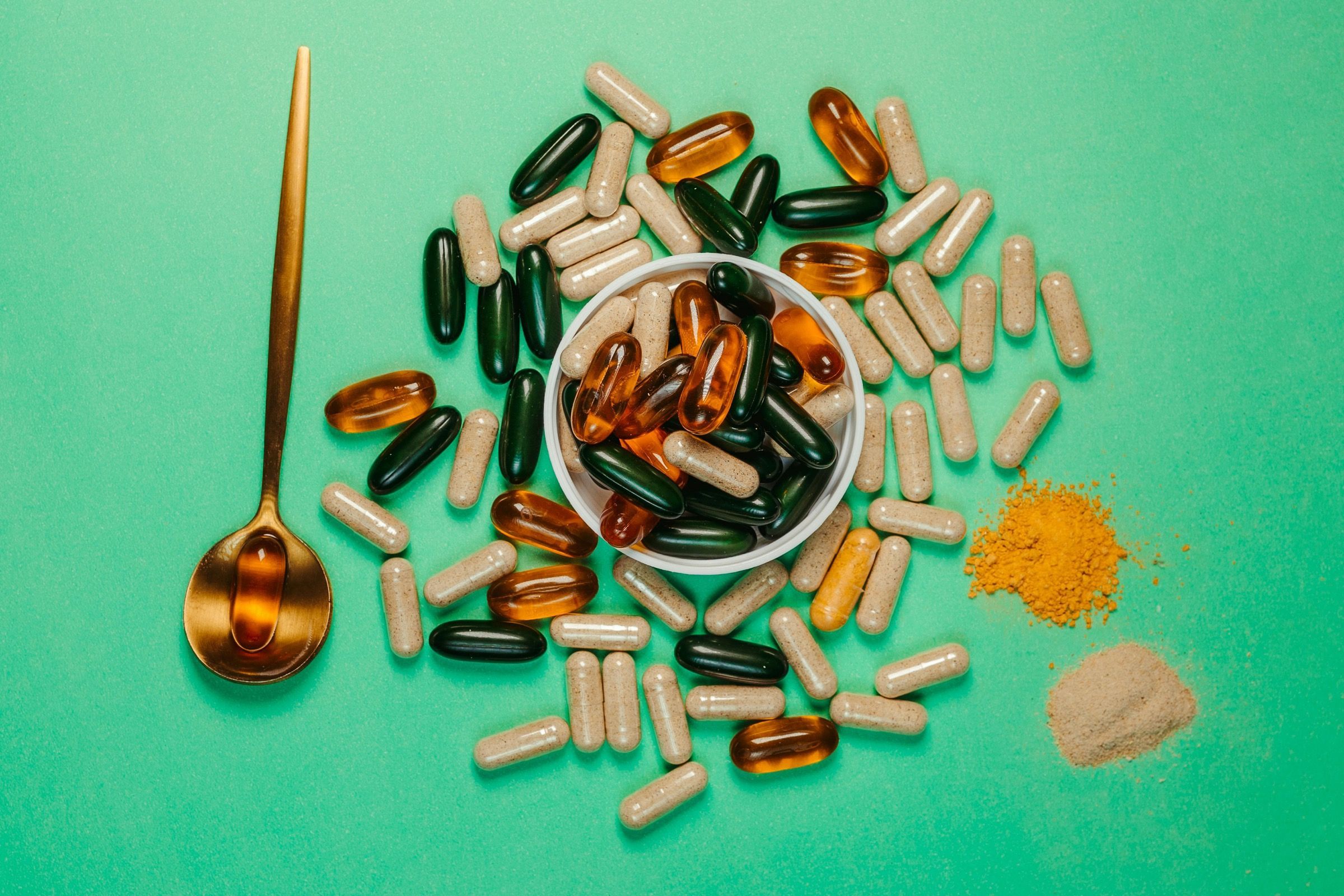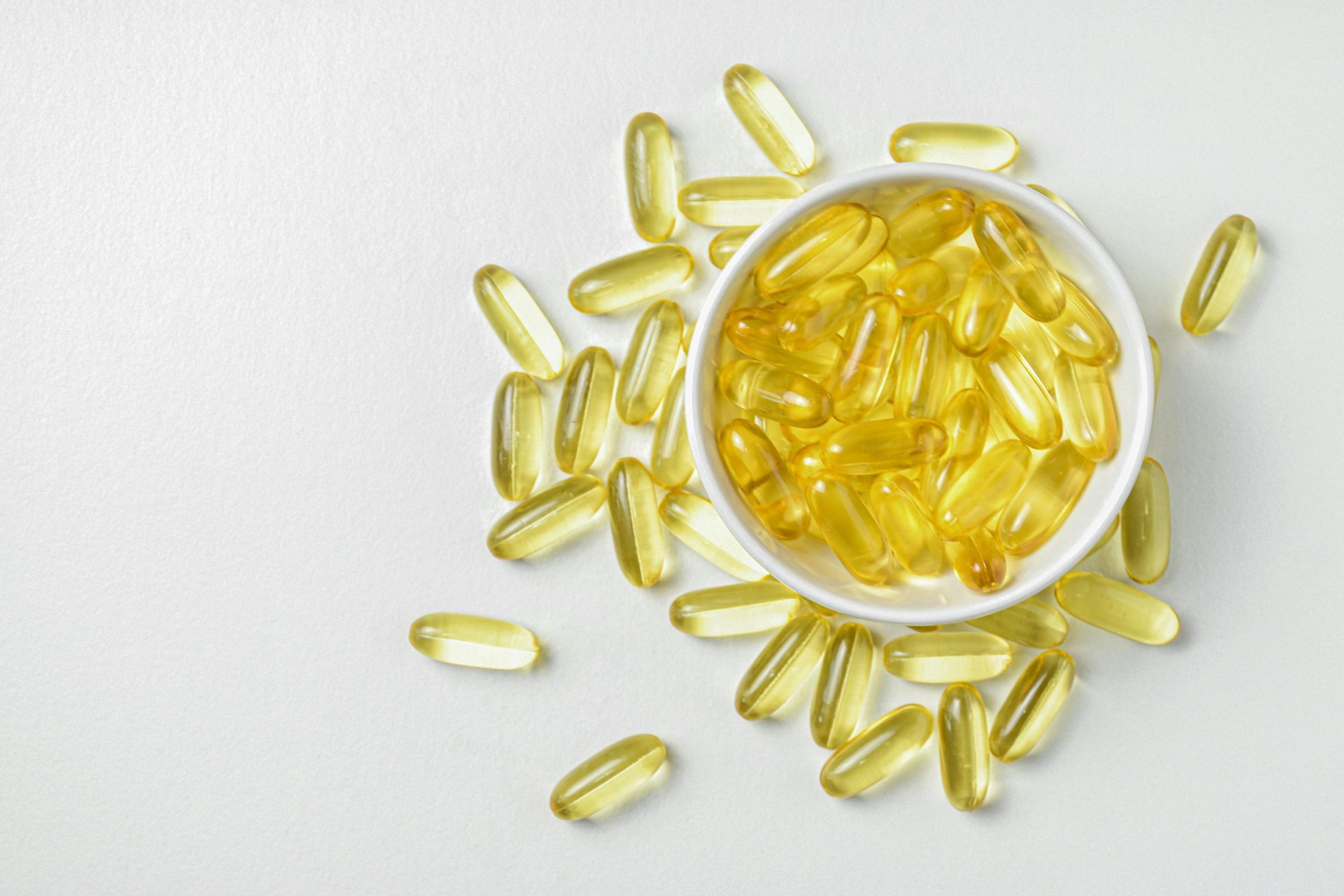
TL;DR: For most people 2 g EPA+DHA per day from a high-quality fish oil (triglyceride form) or algae oil is the right dose. Your target: Omega-3 Index above 8 percent in a dry blood spot test. Measure the baseline, supplement for 12 weeks, then retest the index. Without this blood test you are dosing omega 3 blind.
Why omega 3 is not one thing
“Omega 3” is an umbrella term for several fatty acids with very different effects. The three relevant forms are EPA (eicosapentaenoic acid), DHA (docosahexaenoic acid) and ALA (alpha-linolenic acid). Only EPA and DHA deliver the direct effects omega 3 is famous for: anti-inflammatory, cardioprotective, neuroactive. ALA from flaxseed or walnuts must first be converted to EPA and DHA — and your body does this badly.
EPA mainly acts on the inflammation system. It is the precursor for resolvins and dampens pro-inflammatory signaling. DHA is the dominant fatty acid in brain and retina and shapes the membrane structure of nerve cells. Both matter for adults, but the emphasis differs by target: inflammation modulation needs more EPA, cognitive and cardiovascular optimization benefits from a balanced EPA/DHA ratio.
Conversion rates from ALA to EPA sit between 5 and 8 percent, and to DHA usually below 1 percent. 10 g of flaxseed oil delivers less than 100 mg of actual DHA. Plant-based ALA is healthy, but it does not replace direct EPA/DHA intake from fish or algae.
The 3 omega-3 forms compared
Not every fish oil product is equal. The chemical form decides how much EPA and DHA actually reaches your blood. The three common forms differ in bioavailability, stability and price.
| Form | Bioavailability | Price | Source |
|---|---|---|---|
| Ethyl ester (EE) | Baseline (100 %) | cheap | Standard concentrated fish oil |
| Triglyceride form (rTG) | +70 % vs. EE | medium to high | Natural or re-esterified form |
| Phospholipid form | high, fast | expensive | Krill oil, small doses |
Ethyl ester (EE) is the cheapest and most widely sold form. Fish oil is concentrated by chemically esterifying the fatty acids with ethanol. Bioavailability is lower than the natural form because your body has to cleave the ethyl bond first. Healthy digestion still absorbs EE reasonably well, but older adults and anyone with weak fat digestion absorb significantly less.
Triglyceride form (rTG) matches the natural form in fish. Re-esterified triglycerides are EE oils enzymatically returned to the triglyceride backbone and combine high concentration with good absorption. Studies show about 70 percent better bioavailability versus EE. For most biohackers rTG is the right choice — more expensive but reliably effective.
Phospholipid form from krill oil is bound to phospholipids and absorbs fast. The downside: krill oil contains only 15 to 25 percent EPA+DHA, the doses per capsule are small (often below 100 mg) and the price per gram of active ingredient is three to five times higher than rTG fish oil. For a therapeutic 2 g EPA+DHA daily you would need 20 or more krill capsules — impractical and expensive.
The right dose: EPA + DHA, not “omega 3”
The most common label confusion is the difference between total fish oil and EPA+DHA content. A 1000 mg “omega 3” capsule often contains only 180 mg EPA and 120 mg DHA — that is 300 mg of active ingredient. The rest is carrier oil. Anyone reading “1000 mg” as the dose is actually taking less than a third of 1 g EPA+DHA.
Standard prevention. 1 g EPA+DHA per day is enough for healthy adults without specific targets. This matches two servings of fatty cold-water fish per week. It typically raises the Omega-3 Index by 1 to 2 percentage points over 12 weeks.
Inflammation modulation. For elevated hsCRP (above 1.5 mg/L), chronic joint issues or autoimmune context, 2 g EPA+DHA per day is the minimum for a measurable effect. In meta-analyses hsCRP drops by 0.3 to 0.6 mg/L on 2 g of omega 3 over 12 weeks. For most biohackers this is the sensible standard dose.
Therapeutic. For elevated triglycerides (above 200 mg/dL) or depressive episodes, studies show clear effects only starting at 3 to 4 g EPA+DHA per day, and for depression specifically with EPA dominance above 60 percent. These doses belong with medical supervision, especially with blood thinners.
The Biomarker Baseline Checklist walks you through how to capture hsCRP, triglycerides and the Omega-3 Index cleanly as a starting measurement before you begin one of these three protocols.
The Omega-3 Index: your most important marker
The Omega-3 Index is the only direct measure of your actual omega-3 status. It captures the percentage of EPA and DHA among all fatty acids in the membranes of your red blood cells. The advantage over plasma measurements: erythrocyte membranes reflect your supply over the last 3 to 4 months, not your last meal.
Target zones are clearly defined in cohort studies. Values below 4 percent count as high risk — Framingham Offspring and PREDIMED data show a clearly elevated cardiovascular risk in this range. Values between 4 and 8 percent are suboptimal and most common in the Western population, with the German average around 5.5 percent. Values above 8 percent are optimal and associated with lower rates of sudden cardiac death, dementia and all-cause mortality.
The test is usually a dry blood spot from a finger prick — you get a card kit, prick a finger, and ship the sample to the lab. Cost: 40 to 60 euros. The index reacts visibly after 12 to 16 weeks of intervention; shorter intervals measure noise. For a deeper overview of how to interpret biomarkers, see the cornerstone article Understanding Blood Values.
Timing: when and how to take it
Omega 3 is fat-soluble. Without fat in your stomach absorption drops by up to 50 percent. The rule is simple: always take omega 3 with a fat-containing meal — avocado, olive oil, eggs, nuts or full-fat yogurt. On an empty stomach, most of it never gets where you want it.
Morning or midday is better than evening, especially with products that have a noticeable taste. Fish oil burps worsen reflux at night, and sensitive stomachs handle the morning dose more comfortably. If evening works better for your routine, pick a low-odor rTG product in enteric-coated capsules.
At doses above 1.5 g EPA+DHA split your intake into two servings per day. Two times 1 g works better than one 2 g slug, because fat digestion is not overloaded per serving and absorption is smoother. For higher doses (3 g and above) the same applies: always with food and spread across at least two servings.
Quality check: how to spot a good product
Omega 3 is one of the supplement categories most prone to quality problems — oxidation, heavy metals and under-dosed formulations are widespread. Check every new product against six criteria.
- Certificate of Analysis (COA) per batch. The manufacturer publishes values for EPA/DHA content, heavy metals (lead, mercury, cadmium, arsenic), PCBs, dioxins and oxidation. No COA, no purchase.
- TOTOX below 10. TOTOX (Total Oxidation Value) measures rancidity. Values below 10 are acceptable, below 5 excellent. Higher means your oil is already partially oxidized — the active ingredients are no longer fully intact.
- Triglyceride form (rTG) explicitly stated. Ethyl ester products have lower absorption. To get the same biological effect you need more capsules, which eats the supposed cost savings.
- EPA+DHA content on the label, not just “fish oil”. Check the actual mg EPA and mg DHA per serving. A product labeled “1000 mg fish oil” with only 180 mg EPA + 120 mg DHA is useless for serious dosing.
- Dark glass or light-blocking softgels. Light accelerates oxidation. Clear plastic bottles are a warning sign.
- IFOS certification as a plus. International Fish Oil Standards (IFOS) test batches for purity and oxidation and rate them on a 5-star scale. A 5-star rating is a strong quality signal.
For a structured audit path with a scoring rubric see the Supplement Quality Audit. It gives you a checklist to run through before every new purchase.
Interactions and side effects
Omega 3 is well tolerated at standard doses up to 3 g EPA+DHA per day, but there are three relevant interactions you need to know.
Blood thinners. Omega 3 slightly dampens platelet aggregation. With warfarin, aspirin or NOACs like apixaban and rivaroxaban, bleeding tendency may rise, especially above 3 g. In studies the risk was not significant at 1 g daily; above 2 to 3 g talk to your doctor. Pause omega 3 7 to 10 days before planned surgery.
LDL cholesterol. Very high DHA-only doses (above 3 g pure DHA) can raise LDL-C by 5 to 10 percent in some people. This is essentially a non-issue at 1 to 2 g mixed EPA+DHA but matters at therapeutic doses. Triglycerides and VLDL drop at the same time — the overall profile usually improves, but track the LDL subfraction.
Fish burps and GI. The most common side effect is a fishy aftertaste or mild burping. With high-quality rTG products at low TOTOX it rarely happens. If it hits you, switch to a better product and take it with fatty meals.
Plant-based alternative: algae oil
Algae oil is the only serious plant-based source of omega 3. The same algae that fish eat to become EPA+DHA sources are cultivated in tanks and the oil is extracted. The final product contains EPA and DHA in bioavailable form, without the detour through the food chain.
Advantages over fish oil: no fishy taste, no burping, no heavy metal load (algae do not bioaccumulate contaminants like large predator fish), vegan, more sustainable. Downsides: the price per gram EPA+DHA is 50 to 100 percent higher, and some products are more DHA-heavy, which is less ideal for inflammation-focused protocols. Look for a clearly stated EPA/DHA ratio.
The dose is identical to fish oil: 1 g for prevention, 2 g for inflammation modulation, 3 to 4 g therapeutic. The Omega-3 Index reacts at the same speed and magnitude as with fish oil at equal doses. For vegan biohackers or anyone with ethical concerns about fish, algae oil is the right choice.
90-day protocol: how to test omega 3 properly
Without a baseline and a retest you are dosing omega 3 blind. The following protocol is built on the Supplement Stack Iteration framework and is the simplest way to reach a solid Keep, Adjust or Drop decision after 90 days.
Week 0 — Audit. Measure three lab values: Omega-3 Index (dry blood spot, 40 to 60 euros), hsCRP (high-sensitivity CRP as an inflammation marker, 10 to 20 euros) and fasting triglycerides (usually included in a standard lipid panel). Note product name, exact dose, chemical form and batch number. For a broader look at your starting point see the cornerstone article Understanding Blood Values with all the relevant reference ranges.
Weeks 1 to 12 — Test and Scale. Take 2 g EPA+DHA per day, ideally split into 2 × 1 g with meals that contain fat. Document compliance daily with a yes/no check — target above 90 percent. During travel or missed doses note it immediately, so at the end you are not guessing whether a missing effect came from the product or from your intake.
Week 12 — Retest and decide. Measure Omega-3 Index, hsCRP and triglycerides again under identical conditions (same lab, fasted in the morning; for the index a supplement pause is not recommended, for hsCRP it is). Compare to baseline.
- Keep: Index moving toward 8 percent, hsCRP significantly lower — the product stays at the maintenance dose.
- Adjust: Trend is right but target not fully met — raise the dose by 50 percent and run a second 90-day sprint.
- Drop: No measurable change despite good compliance and quality — audit the product (TOTOX, form, EPA/DHA content) or switch manufacturer.
For the long view see Long-Term Biomarker Tracking, because the Omega-3 Index shifts slightly with the seasons and only stabilizes over 2 to 3 yearly measurements. If you want to place your omega-3 stack in a broader context, the Supplement Beginners Guide lists the five core products that, together with omega 3, cover most beginners’ needs.
Conclusion
Omega 3 is one of the few supplements with strong evidence and a direct biomarker that shows whether your dose is working. The rules are simple: check EPA+DHA on the label, not total fish oil. Choose triglyceride form (rTG) or algae oil. Take 1 to 2 g EPA+DHA per day, with fat, morning or midday. After 12 weeks measure the Omega-3 Index and adjust.
Without a blood test every dose is a guess. Measure the baseline, supplement consistently, retest. That turns omega 3 into a data-driven routine instead of a hope. In Lab2go you track dose, batches, Omega-3 Index and related markers in one place. To pick the plan that fits your sprint frequency, check the pricing and plans.
This article is not a substitute for medical advice. If you take blood thinners or have chronic conditions, talk to your doctor before higher doses.
Article FAQ
- How much EPA and DHA do I need per day?
- For general prevention 1 g EPA+DHA per day is enough. For inflammation modulation (for example with hsCRP above 1.5 mg/L) aim for 2 g EPA+DHA per day, and therapeutic targets like elevated triglycerides or depressive episodes need 3 to 4 g EPA+DHA daily. What matters is not the total fish oil content but the combined EPA plus DHA number on the label. A 1000 mg fish oil capsule with only 180 mg EPA and 120 mg DHA contains just 300 mg of active ingredient — you would need nearly 7 of those capsules to reach 2 g.
- What is the Omega-3 Index?
- The Omega-3 Index measures the percentage of EPA and DHA in the membranes of your red blood cells. Values below 4 percent are considered deficient with increased cardiovascular risk, 4 to 8 percent are suboptimal, and above 8 percent is the optimal zone. The test is usually a dry blood spot test from a finger prick, costs 40 to 60 euros, and shifts visibly after 12 to 16 weeks of a new dose. It is the only biomarker that proves in black and white whether your dose and product quality are actually working.
- Fish oil or algae oil?
- Both deliver EPA and DHA directly, only the source differs: fish oil comes from fatty cold-water fish, algae oil is extracted from cultivated microalgae. Algae oil is free of heavy metals and PCBs, vegan, and more sustainable, but costs 50 to 100 percent more per gram of EPA+DHA. Head-to-head studies show identical effects on the Omega-3 Index at the same dose. Algae oil is the right choice if ethics, purity or a vegan diet matter to you.
- Why doesn't ALA (flaxseed oil) work like EPA and DHA?
- Alpha-linolenic acid (ALA) from flax, chia or walnuts is plant-based omega 3, but your body must first convert it to EPA and DHA. This conversion is extremely inefficient: studies show conversion rates of 5 to 8 percent for EPA and below 0.5 to 4 percent for DHA, depending on sex and genetic variation. To move your Omega-3 Index to 8 percent with ALA alone you would need to eat 20 to 30 g of flaxseed oil every day and keep it constant. For plant-based omega 3 that actually works, choose algae oil, not flaxseed oil.
- How do I spot a good fish oil?
- A serious product provides a batch-specific Certificate of Analysis (COA) with values for heavy metals (lead, mercury, cadmium), PCBs, dioxins and oxidation. The TOTOX value as a measure of rancidity should be below 10, ideally below 5. The chemical form should be explicit — the triglyceride form (rTG) is closest to the natural structure and is absorbed around 70 percent better than the cheaper ethyl ester form (EE). Additional quality signals are IFOS 5-star certification, dark glass or light-blocking softgels, and a clear EPA+DHA statement per serving.
- Can you take too much omega 3?
- For healthy adults an upper limit of around 5 g EPA+DHA per day is considered safe; the EFSA sees no relevant adverse effects at doses up to 5 g. Above 3 g bleeding tendency can rise slightly because omega 3 dampens platelet aggregation. Very high long-term doses (above 4 g) can also raise LDL cholesterol a little, especially with DHA-heavy products. For most people 1 to 3 g EPA+DHA daily is the sweet spot between effect and safety.
- When should I take omega 3?
- Omega 3 is fat-soluble and needs a meal with fat for proper absorption — take it with food, not on an empty stomach. Studies show that absorption without fat can drop by up to 50 percent. Morning or midday is better than evening, because fish oil burps can worsen reflux at night in sensitive stomachs. At higher doses (2 g and above) split the amount into two servings, for example 1 g in the morning and 1 g at noon, so digestion and bioavailability stay optimal.
- How long does it take for omega 3 to work?
- Plasma uptake happens within hours, but incorporation into the membranes of your red blood cells takes time. The Omega-3 Index reaches a new steady state after about 12 to 16 weeks. Inflammation markers like hsCRP typically respond after 8 to 12 weeks, triglycerides often already after 4 to 6 weeks. Subjective effects on skin, joints or mood are unreliable — rely on biomarkers instead of gut feeling and retest no earlier than 12 weeks.
- Omega 3 and blood thinners — what do I need to know?
- If you take blood thinners such as warfarin, acetylsalicylic acid (aspirin) or NOACs like apixaban and rivaroxaban, only take doses above 2 g EPA+DHA per day after talking to your doctor, because omega 3 slightly increases bleeding tendency. In studies the added bleeding risk at 1 g daily was essentially not elevated, but above 3 to 4 g it can become clinically relevant. Before planned surgery, pause omega 3 7 to 10 days in advance. The same caution applies to NOACs even though the data are thinner.
- Why does my fish oil smell like fish — and is that bad?
- Fresh, high-quality fish oil in triglyceride form smells neutral to slightly marine, not strongly fishy. A strong fish smell or a rancid taste is a warning sign for oxidized oil — the omega-3 fatty acids have already partially degraded into harmful oxidation products. A TOTOX value above 10 counts as rancid and should not be consumed. Fish burps after intake are often also a quality problem: switch to an rTG product with a low TOTOX value, and the problem usually disappears.
This article is for general information only and is not a substitute for individual medical advice, diagnosis, or treatment. Discuss any changes to your diet, supplementation, or medication with a qualified healthcare professional.

Physician focused on preventive medicine, women's health, and connected diagnostics.
Areas of focus
Discussion
Community comments coming soon. Until then, we welcome feedback and questions via email.
E-Mail anzeigen