TL;DR: Intestinal hyperpermeability is not an ICD diagnosis code, but it is a physiological concept with measurable markers. Useful: calprotectin (stool, <50 µg/g normal), sIgA (stool, 510–2040 µg/ml), hs-CRP (<1 mg/l), tTG-IgA (celiac screening). Zonulin alone proves nothing. Supplements with solid gut evidence: L-glutamine 5–15 g, zinc carnosine 75 mg, strain-specific probiotics.
This article does not replace medical diagnosis. With blood in the stool, chronic diarrhea for more than 4 weeks, or significant weight loss: see a doctor immediately.
What “leaky gut” actually means
“Leaky gut” is a popular term. The scientific term is intestinal hyperpermeability — an increase in the permeability of the gut lining.
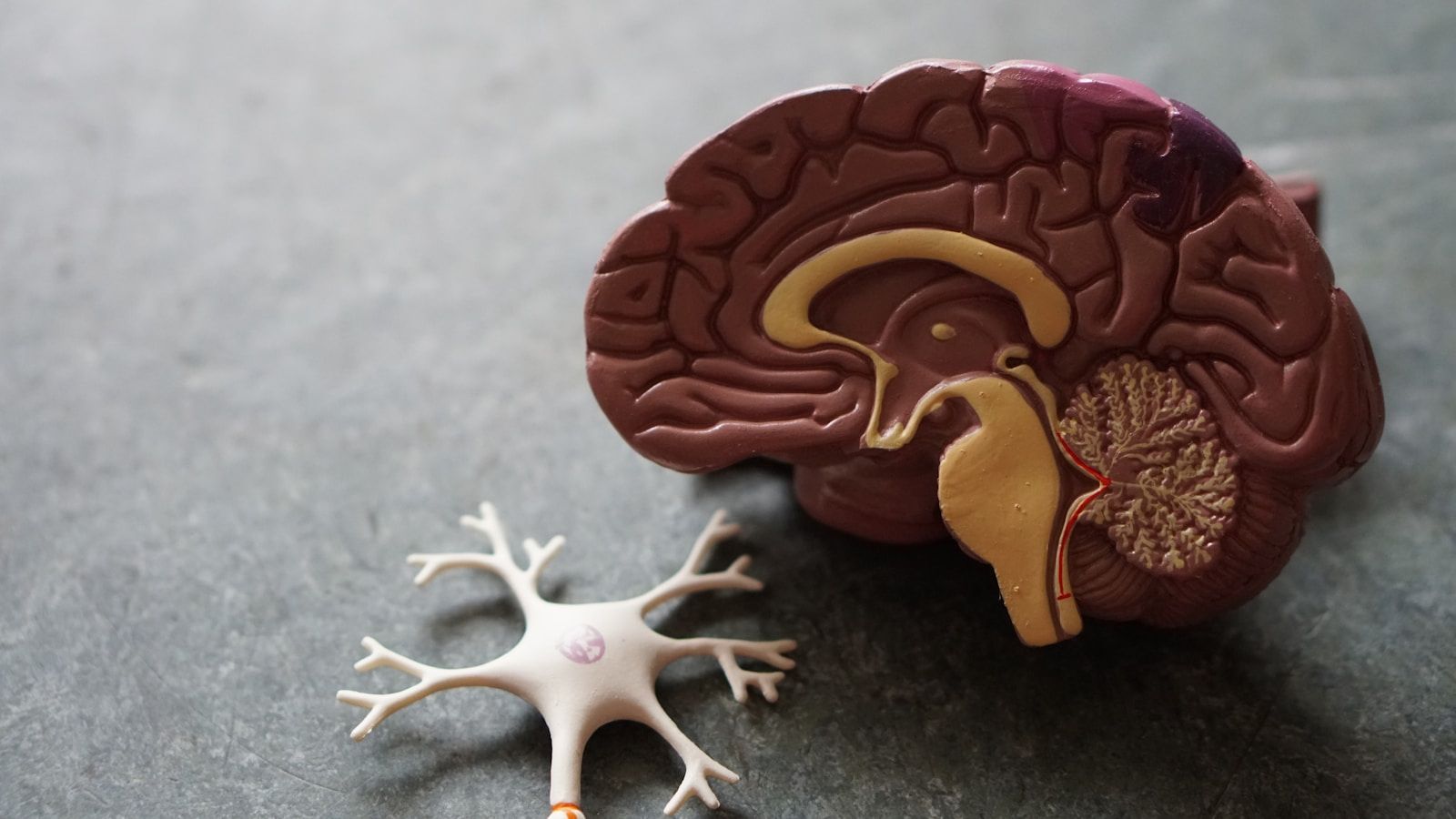
The gut barrier is built in layers. On the outside: a mucus layer as the first mechanical defense. Beneath it: an epithelium of tightly packed enterocytes, connected by tight junctions — protein complexes made of occludin, claudin and ZO-1. These tight junctions decide what enters the bloodstream and what does not.
When tight junctions open up, bacterial fragments, undigested food particles and endotoxins can penetrate the gut wall and reach the blood. This activates the immune system and can trigger low-grade systemic inflammation.
The central controversy: is this a cause of disease or a consequence? In celiac disease, the mechanism is clear. Gliadin (a gluten component) stimulates zonulin release, tight junctions open, and the immune cascade begins. In other conditions, the causal relationship is less established.
The bottom line: “Leaky gut” does not explain all the complaints attributed to it in marketing. At the same time, intestinal permeability is a real and measurable phenomenon with real consequences in clearly defined diseases.
Symptoms — and why they are so non-specific
The problem with typical “leaky gut” symptoms is that they match half of known conditions.
Commonly cited symptoms:
- Bloating, abdominal pain, alternating bowel habits
- New-onset food sensitivities (multiple, appearing over time)
- Skin problems: acne, eczema, rosacea
- Chronic fatigue, brain fog
- Joint pain
- Mood swings
A practical example: you have had bloating and brain fog for months, react to more and more foods and sleep poorly. This is not proof of leaky gut — but it is a signal that something is off. Diagnosis starts in the lab, not with self-diagnosis.
These symptoms could equally point to IBS, histamine intolerance, celiac disease, SIBO or functional dyspepsia. Symptoms alone are not enough for a diagnosis. Also read the guide on inflammation markers in blood tests.
Associated conditions: what the evidence actually shows
Increased intestinal permeability is not a standalone disease. It appears as an associated finding — sometimes as a cause, sometimes as a consequence.
Well established:
- Celiac disease: The mechanism is clear. Gliadin stimulates zonulin, tight junctions open, the immune response follows. Intestinal permeability is a core part of the pathophysiology.
- Crohn’s disease and ulcerative colitis (IBD): Increased permeability is both a marker and a contributing factor during flares.
Likely associated, causality unclear:
- Irritable bowel syndrome (IBS)
- Hashimoto’s and other autoimmune conditions
- Metabolic syndrome
- Chronic fatigue syndrome (ME/CFS)
Caution with over-interpretation: Elevated permeability exists in healthy people without symptoms — it varies physiologically. Not every deviation from a lab ideal requires treatment.
Diagnostic workup: a four-level pyramid
Diagnostics should be structured — from inexpensive and specific to costly and specialized. No single marker proves leaky gut.
Level 1: Standard blood values
You may already have these from a routine panel:
| Marker | Target range | What it shows |
|---|---|---|
| hs-CRP | <1.0 mg/l | Low-grade systemic inflammation |
| Ferritin | 30–200 ng/ml (women), 40–300 ng/ml (men) | Elevated despite iron deficiency = inflammation signal |
| Vitamin B12 | >400 pg/ml | Low value suggests malabsorption |
| Vitamin D (25-OH) | 40–60 ng/ml | Below 30 ng/ml correlates with dysbiosis |
| Eosinophils | <0.5 Tsd/µl | Elevated in allergic or parasitic conditions |
Level 2: Celiac disease screening
Celiac disease affects about 1 percent of the population, with most cases undiagnosed. Before any “leaky gut” protocol:
- tTG-IgA (tissue transglutaminase) + total IgA (to rule out IgA deficiency)
- Positive serology: confirm with small bowel biopsy
- Important: Celiac tests are only valid while eating gluten — not during a gluten-free diet
Level 3: Stool markers
| Stool marker | Reference range | Meaning |
|---|---|---|
| Calprotectin | <50 µg/g | Above 50 = gut inflammation, above 250 = IBD likely |
| sIgA (secretory IgA) | 510–2040 µg/ml | Low = immune weakness, high = mucosal activation |
| Alpha-1-antitrypsin | <0.27 mg/g | Marker for intestinal protein loss |
Calprotectin is the most reliable marker for organic gut inflammation. It reliably distinguishes IBS (normal) from IBD (elevated). Cost: 30 to 60 per test.
Level 4: Specific markers
| Marker | Reference range | Limitation |
|---|---|---|
| Zonulin (serum) | <30 ng/ml | Cross-reactivity with haptoglobin possible; not diagnostic alone |
| LBP (LPS-binding protein) | 4–20 µg/ml | Above 20 µg/ml = endotoxin translocation |
| DAO (diamine oxidase) | >10 U/ml | Low in histamine intolerance / mucosal damage |
| Lactulose/mannitol test | Ratio <0.07 | Research gold standard, rarely used in practice |
A concrete example: your hs-CRP is 2.2 mg/l, vitamin B12 is 290 pg/ml, calprotectin is 80 µg/g. No single value is diagnostic alone — but the pattern points to gut-associated inflammation that warrants further workup. Lab2go lets you track all markers over time.
What does not help: Commercial IgG food panels. IgG antibodies to foods reflect frequent contact, not intolerance. The EAACI explicitly recommends against these for diagnosis.
Supplement protocol: 4 phases
This protocol follows the “4-R” framework from functional medicine: Remove, Repair, Reinoculate, Rebalance. The evidence for individual interventions varies — this is noted per item.
Phase 1: Remove triggers
Without this phase, all other steps are working against the current:
- Pause alcohol — directly damages tight junctions above 20 g/day (women), 40 g/day (men)
- Reduce NSAIDs (ibuprofen, diclofenac, aspirin) — demonstrable mucosal damage
- Gluten in celiac disease: strict elimination — mandatory, not optional
- Gluten in non-celiac: individual testing — 4 weeks elimination, then systematic reintroduction
- Ultra-processed food: emulsifiers (E466, E433) and artificial sweeteners negatively affect the microbiome
Phase 2: Repair mucosa
| Supplement | Dose | Evidence |
|---|---|---|
| L-glutamine | 5–15 g/day, on empty stomach | Moderate — enterocyte energy source, Rao 2011 |
| Zinc carnosine | 75 mg/day | Moderate — mucosal healing, Furuta 2002 (ulcer data) |
| Deglycyrrhizinated licorice (DGL) | 400 mg before meals | Low — traditional use, limited RCT data |
| Aloe vera inner leaf | 50–200 mg/day | Low — preliminary |
| Slippery elm (Ulmus rubra) | 400–500 mg/day | Low — demulcent, no RCTs |
L-glutamine and zinc carnosine have the strongest evidence base. DGL, aloe vera and slippery elm are used traditionally; the clinical evidence in humans is weak. All five have good safety profiles.
Phase 3: Reinoculate the microbiome
Probiotics work in a strain-specific way — generic “Lactobacillus” products without strain designation are usually ineffective:
| Strain | CFU | Indication |
|---|---|---|
| Lactobacillus rhamnosus GG | 10 billion | Diarrhea, antibiotic-associated diarrhea |
| Bifidobacterium lactis HN019 | 10 billion | Stool frequency, transit |
| Saccharomyces boulardii | 5 billion | After antibiotics, traveler’s diarrhea |
| VSL#3 / Visbiome | 450 billion | Ulcerative colitis remission (with medical supervision) |
Prebiotics: partially hydrolyzed guar gum (PHGG) 5 g/day is well tolerated and increases butyrate-producing bacteria. Introduce inulin slowly to avoid bloating.
Fermented foods daily: kefir, yogurt, sauerkraut, kimchi.
Phase 4: Rebalance lifestyle
| Measure | Target | Why |
|---|---|---|
| Fiber 30 g/day | Butyrate production | Feeds beneficial bacteria |
| Omega-3 2–3 g EPA/DHA | Reduce inflammation | Lowers hs-CRP |
| Vitamin D above 40 ng/ml | Barrier function | Correlates with gut health |
| 7–9 h sleep | Cortisol control | Chronic sleep loss opens tight junctions |
| Moderate exercise 150 min/week | Diversity | Microbiome stimulation |
| Stress management (breathing, meditation) | Vagal tone | Direct gut-brain axis effect |
For supplement basics read the supplement beginners guide. For micronutrient deficiency patterns: micronutrient deficiencies in blood work.
Critical perspective: what you do not need to buy
Leaky gut has become a marketing term. Commercial “gut healing protocols” cost 300 to 2,000 and often promise more than the evidence supports.
Be skeptical of:
- “Complete leaky gut cure” packages without medical diagnostics
- IgG food intolerance tests as a diagnostic tool (not a scientific standard)
- Zonulin as sole proof of leaky gut
- Protocols that ignore the trigger and only supplement
What actually has evidence:
- L-glutamine, zinc, probiotics — for gut health independent of a leaky gut diagnosis
- Fiber, fermented foods, Mediterranean diet
- Stress reduction and sleep
Your doctor or a gastroenterologist can determine whether a real gut disease is present. Lab tracking helps you document changes over time. For a full baseline diagnostic approach see Lab2go features and plans and pricing.
When to see a doctor
Four situations require immediate medical attention:
Blood in the stool. Always investigate — hemorrhoids are common, but IBD, polyps and carcinoma must be ruled out.
Unintentional weight loss. More than 5 percent in 3 months without dieting. Can indicate malabsorption, IBD or malignancy.
Chronic diarrhea or constipation for more than 4 weeks. Differential diagnosis via calprotectin, CRP, stool culture and colonoscopy if needed.
Iron deficiency despite supplementation. Often a sign of intestinal malabsorption — rule out celiac disease or IBD. See also the guide on micronutrient deficiencies in blood work.
No supplement protocol replaces this workup.
Tracking: making progress measurable
Without a baseline measurement you cannot tell whether an intervention is working.
Start (week 0): hs-CRP, ferritin, vitamin B12, vitamin D, tTG-IgA plus total IgA. Calprotectin (stool). If indicated: zonulin, LBP.
Follow-up (week 8–12): Repeat the same markers. Has hs-CRP improved? Is calprotectin now below 50 µg/g?
Long-term (every 6 months): Basic panel plus one stool marker.
Cost per panel: 100 to 200 depending on scope. With clinical indication (tTG-IgA for celiac, calprotectin for suspected IBD), insurance often covers the relevant markers.
To build a tracking routine read understanding blood values and the guide on gut axis and microbiome biomarkers.
Conclusion: evidence over hype
“Leaky gut” as a term carries expectations that the science does not fully meet. Intestinal hyperpermeability is real — but it is not an explanation for everything.
What you can do concretely:
- Diagnostics first. tTG-IgA (celiac screening), calprotectin, hs-CRP, vitamin B12 and D. Cost: 80 to 150.
- Identify the trigger. Alcohol, NSAIDs, stress, sleep deprivation — without removing the cause, nothing moves.
- Protocol for 8–12 weeks. L-glutamine, zinc carnosine, strain-specific probiotics, 30 g fiber.
- Control measurement. Same markers after 8 to 12 weeks — does the picture improve?
Supplements are tools, not a replacement for diagnosis. And no “healing protocol” replaces a look at your actual lab values.
This article does not replace medical diagnosis. With blood in the stool, severe diarrhea or unintentional weight loss, consult a gastroenterologist.
Article FAQ
- What is leaky gut — and is it a recognized diagnosis?
- Leaky gut describes increased intestinal permeability, the scientific term is intestinal hyperpermeability. It is not a standalone ICD diagnosis code. As an associated finding it is well established in celiac disease, Crohn's disease and ulcerative colitis. In IBS, autoimmune conditions and metabolic disease the evidence is less clear. Functional medicine emphasizes the concept more strongly; conventional medicine remains cautious.
- How reliable is zonulin as a biomarker for leaky gut?
- Zonulin is a useful marker in celiac disease — the evidence there is solid. For other conditions it is contested. Many commercial zonulin tests use antibodies that cross-react with haptoglobin, leading to false positives. Elevated zonulin alone does not prove a gut barrier problem. It is a signal that must be interpreted in clinical context. Combine it with calprotectin, sIgA and standard blood values.
- What does calprotectin >100 µg/g stool mean?
- Calprotectin above 100 µg/g stool is a clear sign of intestinal inflammation. Values above 250 µg/g are practically diagnostic for inflammatory bowel disease (Crohn's or ulcerative colitis). Between 50 and 100 µg/g is a grey zone. A normal calprotectin below 50 µg/g largely rules out serious organic bowel disease and points more toward irritable bowel syndrome.
- Does L-glutamine actually help leaky gut?
- L-glutamine is the primary energy source for enterocytes — the cells lining the gut. In-vitro studies and early clinical data (Rao 2011) show positive effects on gut barrier function. Human evidence is still limited, but the safety profile is well established. Dose: 5 to 15 g per day, ideally on an empty stomach or between meals. Useful as part of a comprehensive protocol, not as a standalone fix.
- Are IgG food intolerance tests a valid diagnostic tool?
- No. IgG antibodies against foods reflect frequent exposure, not intolerance or disease. The European Academy of Allergy and Clinical Immunology (EAACI) explicitly recommends against these tests for diagnosis. Elevated IgG against wheat or dairy means you eat these foods often — not that they are harming you. Use tTG-IgA for celiac screening and calprotectin for gut inflammation instead.
- Can stress really damage the gut barrier?
- Yes. Chronically elevated cortisol demonstrably weakens tight junctions between intestinal epithelial cells. Acute psychological stress increases gut permeability within hours. The mechanism runs through the vagus nerve and the sympathetic nervous system, which reduces mucosal blood flow. Breathing techniques, moderate exercise and adequate sleep are therefore not wellness advice — they have physiological grounding.
- What does a sensible leaky gut workup cost?
- A useful basic panel costs 80 to 150 USD or EUR: complete blood count, hs-CRP, ferritin, vitamin B12, vitamin D, tTG-IgA plus total IgA. Add calprotectin (stool, 30 to 60) and sIgA (stool, 40 to 70) for a solid picture. Serum zonulin costs 30 to 60. A comprehensive commercial gut panel with LBP, DAO and microbiome analysis costs 200 to 400 — only worthwhile with a clear clinical indication.
- How long does a repair protocol take?
- It depends strongly on the underlying cause. With a well-defined trigger (antibiotics, short-term stress) the gut barrier typically recovers within 4 to 8 weeks. With chronic conditions like IBD or persistent stress, a 12-week protocol is more realistic. Key point: as long as the trigger (gluten in celiac disease, NSAIDs, high alcohol intake) is not removed, no supplement protocol will hold.
- Which probiotics have the best evidence for gut issues?
- Efficacy is strain-specific. Lactobacillus rhamnosus GG (10 billion CFU) helps with acute diarrhea and antibiotic-associated diarrhea. Saccharomyces boulardii (5 billion CFU) speeds microbiome recovery after antibiotics. Bifidobacterium lactis HN019 improves stool frequency. VSL#3 has been studied in ulcerative colitis remission. Generic probiotics without strain identification are usually ineffective.
- When should I see a doctor?
- Immediately with blood in the stool. Also investigate: unintentional weight loss over 5 percent in 3 months, chronic diarrhea lasting more than 4 weeks, iron deficiency despite supplementation. These symptoms can indicate serious bowel disease and require colonoscopy or further imaging — no supplement protocol replaces that.
This article is for general information only and is not a substitute for individual medical advice, diagnosis, or treatment. Discuss any changes to your diet, supplementation, or medication with a qualified healthcare professional.

Physician focused on preventive medicine, women's health, and connected diagnostics.
Areas of focus
Discussion
Community comments coming soon. Until then, we welcome feedback and questions via email.
E-Mail anzeigen