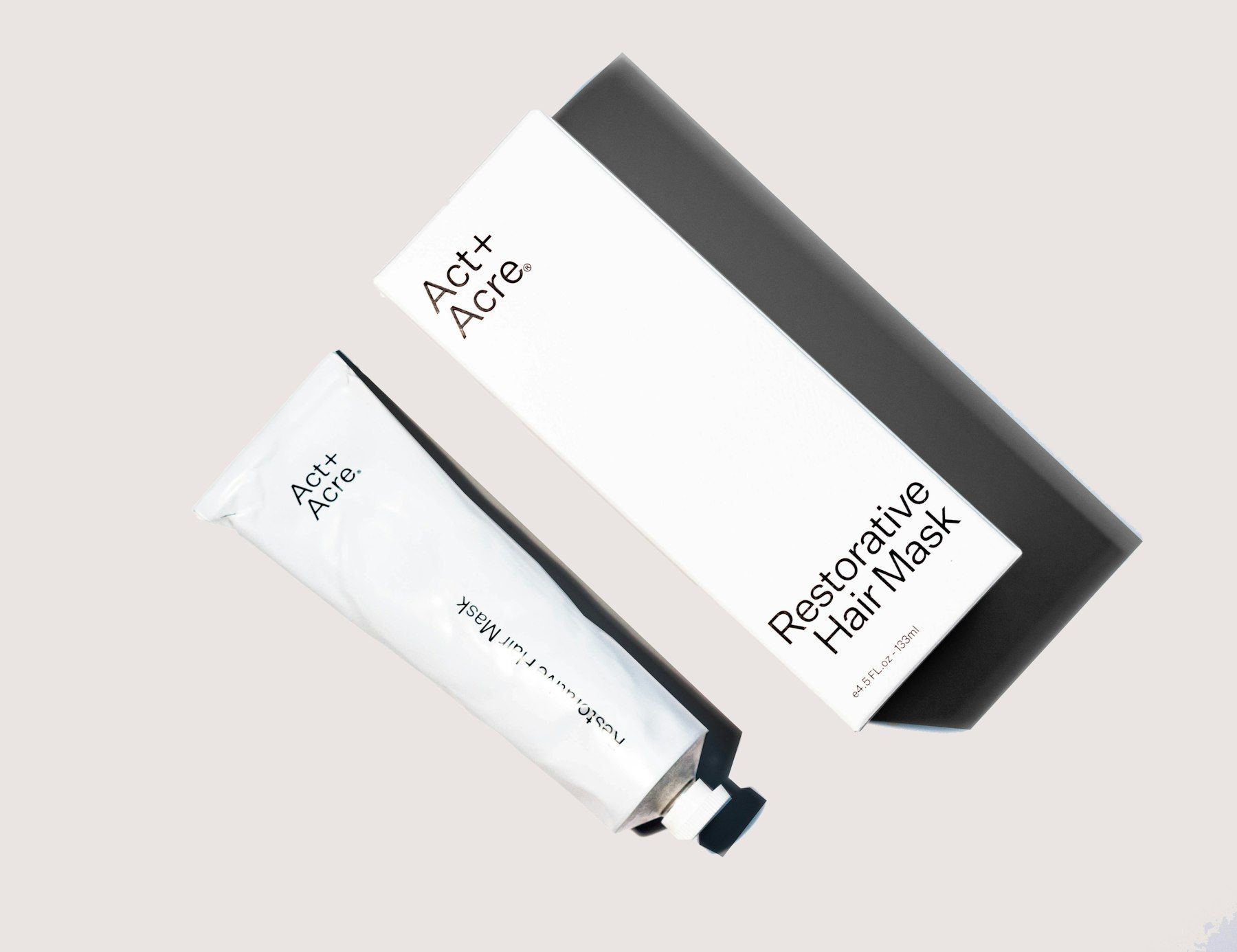
Disclaimer upfront: GHK-Cu in topical cosmetics (serums, creams, masks) has been legally sold and well researched for decades. Injectable, systemic use is not approved as a drug in the EU or US and falls under the research chemical category. This article separates both worlds clearly. The topical use is a well-grounded option with solid evidence. Systemic use is experimental, legally problematic and belongs strictly in medical hands.
TL;DR: GHK-Cu is an endogenous tripeptide (glycine-histidine-lysine) bound to copper. Discovered in 1973 by Loren Pickart. Plasma concentration drops from 200 ng/ml at age 20 to 80 ng/ml at age 60. Topically at 1 to 5 percent in serums it has solid evidence for wrinkles, skin elasticity and wound healing. Injected systemically: research-chemical status, thin human data.
What GHK-Cu Is
GHK-Cu refers to the complex of the tripeptide glycyl-L-histidyl-L-lysine and a bound copper(II) ion. Loren Pickart discovered the molecule in 1973 in human plasma while investigating why blood from older people regenerated liver cells less well than blood from young people. The difference was GHK.
Endogenous plasma concentration follows a clear age trend:
- Age 20: about 200 ng/ml
- Age 40: about 120 ng/ml
- Age 60: about 80 ng/ml
This decline correlates with reduced healing and regenerative capacity. GHK-Cu is therefore not a synthetic foreign molecule like many other peptides, but a natural body substance whose concentration drops with age.
The molecule also appears in saliva and urine but is primarily distributed through plasma. Its key biological role: to transport copper as a catalyst to target tissues without letting free copper cause oxidative stress.
Mechanisms Overview
GHK-Cu acts on several levels simultaneously. The mechanisms are well established in cell culture and animal models, and topically in humans for skin.
| Mechanism | Evidence | Clinical Relevance |
|---|---|---|
| Collagen and elastin synthesis stimulation | Cell culture, topical human trials | Skin firmness, wrinkles |
| Antioxidant (SOD induction) | Cell culture, animal studies | Oxidative stress |
| Anti-inflammatory | Cell culture, animal studies | Inflammation modulation |
| Angiogenesis (blood vessel formation) | Animal studies, wound healing trials | Wound healing — controversial in tumors |
| Gene expression (Pickart 2015) | Microarray studies | Reset of ca. 4,000 genes toward younger profiles |
| Glycosaminoglycan synthesis | Cell culture | Skin hydration |
The Pickart and Margolina (2015) paper in Biomed Research International is the most cited mechanistic reference: GHK modulates expression of about 4,000 genes and shifts the profile toward younger cells. That is a biological indicator, not a clinical guarantee.
Topical Use: The Solid Side
Topical GHK-Cu application has been part of established anti-aging cosmetics since the 1990s. The evidence base for skin is among the better ones in the entire peptide field.
Clinical Studies on Skin
Leyden et al. 2002 tested a GHK-Cu facial serum in 41 women over 12 weeks. Result: 34 percent reduction in fine wrinkles, improved skin thickness on ultrasound, increased firmness measured by cutometer.
Finkley et al. 2005 compared a GHK-Cu cream with placebo in 67 women over 12 weeks. Significant improvement in wrinkle depth, skin roughness and collagen density.
Wound healing: Several FDA-cleared wound dressings contain GHK as an active ingredient (Iamin line). In diabetic and venous ulcers GHK-Cu accelerates healing rate by 20 to 30 percent.
Practical Application
- Concentration: 1 to 5 percent GHK-Cu in serum or cream. Typical brands: The Ordinary (1 percent), Niod CAIS, NeoStrata.
- pH: 5 to 7. Outside this range the copper complex degrades.
- Timing: Evening application on cleansed skin.
- Combination: Works well with peptide complexes like Matrixyl (palmitoyl pentapeptide). Not at the same time as high-dose vitamin C (pH conflict, copper oxidation). Separate: vitamin C in morning, GHK-Cu in evening.
- Packaging: Light-protected, airtight (pump dispenser). Copper peptides are light- and oxygen-sensitive.
Microneedling Combination
Some protocols combine GHK-Cu serums with dermarollers (0.25 to 0.5 mm needle length). The micro-channels are meant to improve penetration. Use with care: sterile needle, apply immediately after rolling, not on active acne or infection. Evidence for added benefit vs. topical alone: moderate.
Topical vs. Injectable Anti-Aging
A clean comparison of the two application forms.
| Aspect | Topical (cosmetic) | Injectable (research chemical) |
|---|---|---|
| EU legal status | Legal, regulated | Not approved, gray area |
| Human evidence | Solid for skin (RCTs) | Thin, mostly animal studies |
| Target tissue | Skin locally | Systemic, all tissues |
| Risk profile | Very good, rare irritation | Copper excess, angiogenesis concerns |
| Cost | 15 to 80 euros per serum | Not quantifiable — not recommended |
Those who want to use the well-documented skin effect reach for the topical form. Those considering systemic effects enter experimental territory.
Injectable Use: The Experimental Side
Subcutaneous injection of GHK-Cu appears in community protocols but is not approved and barely studied clinically. The following is descriptive, not a recommendation.
What Protocols Describe
Typical figures from biohacker forums and research chemical vendors:
- Dose: 1 to 2 mg subcutaneously per day
- Duration: 4 to 8 week cycle, followed by a break
- Rotation of injection site: abdomen, thigh
Human data on these protocols does not exist in randomized controlled trials. Theoretical effects derive from animal data: hair, wound healing, general regeneration.
Risks of Systemic Use
- Copper excess: Every dose of GHK-Cu adds copper. With prolonged use, serum copper and ceruloplasmin can rise. Wilson’s disease (copper storage disorder) is an absolute contraindication.
- Angiogenesis with tumors: Promoting new vessel formation is theoretically problematic with undiagnosed cancers. Tumor screening based on risk profile is mandatory before starting.
- Injection risks: Non-sterile technique leads to local infections and abscesses.
- Purity: Research chemicals are not subject to pharmaceutical quality control. Identity and purity are not guaranteed.
Blood Value Monitoring
Anyone experimenting under medical supervision should document the following parameters — baseline and after 4 to 8 weeks:
- Serum copper (reference: 70 to 140 µg/dl)
- Ceruloplasmin (20 to 60 mg/dl)
- Liver values: ALT, AST, GGT. Basics in the liver values guide.
- Complete blood count
- Tumor screening by age and risk profile
Systematic tracking of values over time is the foundation of any responsible self-observation. Methodology in the blood values guide.
Hair and Scalp
GHK-Cu has been studied for hair growth since the 1990s. The evidence is weaker than for skin.
Animal studies in mice show enlarged hair follicles, longer growth phase (anagen) and denser hair under topical GHK-Cu lotion. Individual human observations point in the same direction. Large randomized trials are lacking.
In practice: Scalp serums with 1 to 3 percent GHK-Cu, sometimes combined with minoxidil or ketoconazole shampoo. As monotherapy against androgenetic alopecia GHK-Cu is not effective enough. As a supplement in the hair stack it is biologically plausible.
Combinations and Stacks
GHK-Cu is often used in combined anti-aging routines. Sensible partners:
- Matrixyl (palmitoyl pentapeptide): Also stimulates collagen. Same application, no pH conflict. Common combination in premium serums.
- Retinol/retinoids: Compatible. Retinol evening, GHK-Cu evening in separate steps or as finished combination product.
- Hyaluronic acid: Complementary — hyaluron binds water, GHK-Cu promotes collagen synthesis.
- Niacinamide: No conflicts, often combined in formulations.
Caution with:
- High-dose vitamin C (L-ascorbic acid, 10 percent or more): The acidic pH destroys the GHK-Cu complex, plus vitamin C oxidizes copper. Separate in time: vitamin C in the morning, GHK-Cu in the evening.
- AHA/BHA acids (glycolic, salicylic): pH too low. Use on alternate days or with clear time gaps.
For a clean baseline before every new supplement or skincare stack, read the supplement beginners guide.
Regulatory Status
EU and Germany
- Topical cosmetics: Legal, regulated by the EU Cosmetics Regulation. Many brands on the market.
- Injectable forms: Not approved as drugs. Sold as research chemicals with “not for human consumption” label. Human use falls under drug law.
- Pharmacy compounding: Not permitted for GHK-Cu injections.
USA
- Topical cosmetics: FDA-compliant, broadly available.
- Wound dressings with GHK: FDA-cleared for specific indications (chronic wounds).
- Injectable forms: Not approved as drugs, research chemical status.
WADA (competitive sport)
GHK-Cu is not explicitly on the WADA prohibited list. Use by competitive athletes is a gray area and should only follow consultation with the governing body.
Positioning Against Other Peptides
| Peptide | Main effect | Evidence |
|---|---|---|
| GHK-Cu | Collagen, anti-aging, wound healing | Topical solid, systemic thin |
| BPC-157 | Regeneration of tendons, gut | Strong animal data, thin human data |
| Thymosin α-1 | Immune modulation | Approved in many countries |
| TB-500 | Cell migration, regeneration | Mostly animal studies |
A broader introduction to the peptide landscape is in the peptides beginners guide. Comparable research peptides are covered in the BPC-157 guide and the thymosin alpha-1 guide.
For Those Considering Use
A sober checklist helps the decision.
For topical use:
- Goal clear? Wrinkles, skin elasticity, scar care — all with solid evidence.
- Product selection clean? 1 to 5 percent GHK-Cu, pH 5 to 7, light-protected packaging.
- Routine compatible? No concurrent use with high-dose vitamin C or AHA acids.
- Timeline realistic? Studies show effects after 8 to 12 weeks. Bring patience.
For injectable use (experimental):
- Medical supervision in place? Without it, not defensible.
- Baseline blood values documented? Copper, ceruloplasmin, liver, blood count.
- Contraindications ruled out? Wilson’s disease, active cancer, unexplained symptoms.
- Source analytically verified? Research chemical purity is not guaranteed.
- Regulatory status understood? Human use does not fall under normal cosmetic rules.
For systematic biomarker tracking, the Lab2go features provide structure. The pricing overview shows the tariff options.
Conclusion: Topically Strong, Systemically Experimental
GHK-Cu is one of the few peptides with a clear two-world assessment. Topical use for skin (and weaker for hair) has been well researched for decades, legal and backed by solid evidence. Systemic injection is research chemical territory — legally problematic, clinically thin, not suitable for self-experiments.
Three takeaways:
- Topical: solid option. 1 to 5 percent GHK-Cu, pH 5 to 7, 12 weeks of use for visible effects on wrinkles and skin elasticity.
- Endogenous concentration drops with age. From 200 ng/ml at 20 to 80 ng/ml at 60 — biologically plausible why topical substitution works for skin.
- Injectable: medical hands. Not approved, copper risk, angiogenesis concerns with tumors. Not an area for self-medication.
This article does not replace medical advice. Topical cosmetics with GHK-Cu are legal and regulated. Injectable forms are not approved as drugs — human use is legally problematic and belongs in medical hands. Self-medication with unapproved substances can cause health and legal risks.
Article FAQ
- Is GHK-Cu legal in cosmetics?
- Yes. Topical GHK-Cu products like serums, creams and masks have been legally sold in the EU and US for decades. Brands such as The Ordinary, Niod or NeoStrata sell copper peptide formulations with 1 to 5 percent GHK-Cu. Cosmetic application on skin does not fall under drug regulations and is well controlled.
- Is injectable GHK-Cu approved?
- No. Injectable forms of GHK-Cu are not approved as drugs in the EU or the US. Distribution runs as a research chemical labeled 'not for human consumption'. Systemic human use is legally problematic. Human data on subcutaneous injections is very limited and long-term safety is not established.
- How does GHK-Cu work on skin?
- GHK-Cu stimulates collagen and elastin synthesis in fibroblasts, promotes glycosaminoglycan production and acts as an antioxidant by inducing superoxide dismutase (SOD). Clinical studies (Leyden 2002, Finkley 2005) with 12-week application showed fine wrinkle reduction, improved skin thickness and elasticity. The topical evidence is among the best in anti-aging.
- Why does GHK-Cu decline with age?
- Plasma GHK concentration drops from about 200 ng/ml at age 20 to around 80 ng/ml at age 60. This correlates with reduced regenerative capacity of skin, hair and vessels. Whether topical or systemic substitution functionally compensates for this decline is proven for skin topically, but open systemically.
- What GHK-Cu concentration in cosmetics makes sense?
- Serums and creams with 1 to 5 percent GHK-Cu are the established standard. Below 1 percent effects are doubtful, above 5 percent controlled data is missing. The pH must sit between 5 and 7 — outside this range the copper complex degrades. Apply in the evening, never at the same time as high-dose vitamin C (pH conflict).
- Can GHK-Cu help with hair growth?
- Evidence is weaker than for skin. Animal studies and individual clinical observations show improved hair follicle size and reduced hair loss under topical GHK-Cu lotion. Large controlled human trials are lacking. Some shampoos and scalp serums use GHK-Cu, usually combined with minoxidil or ketoconazole. As monotherapy against androgenetic alopecia the effect is limited.
- Which blood values should be monitored with systemic use?
- With experimental injectable use under medical supervision, serum copper, ceruloplasmin, liver values (ALT, AST, GGT) and a complete blood count are mandatory. Baseline before start, follow-up after 4 to 8 weeks. Patients with Wilson's disease must never use systemic GHK-Cu because copper metabolism is disrupted.
- Can GHK-Cu promote tumor growth?
- GHK-Cu promotes angiogenesis, the formation of new blood vessels. This explains the wound healing effect, but is theoretically problematic with undiagnosed tumors that need new vessels to grow. Topically the risk is minimal. Systemic use requires tumor screening based on age and risk profile before starting. Active cancer is a contraindication.
- What is the difference between GHK and GHK-Cu?
- GHK is the pure tripeptide of glycine, histidine and lysine. GHK-Cu is the complex of GHK with a copper(II) ion bound by the histidine residue. Only the copper complex shows full biological effects (SOD induction, angiogenesis, tissue remodeling). GHK without copper has limited activity. Cosmetics practically always contain GHK-Cu.
- What does a good GHK-Cu serum cost?
- Reputable topical formulations with 1 to 3 percent GHK-Cu cost between 15 euros (The Ordinary) and 80 euros (Niod, NeoStrata). Price differences reflect vehicle, packaging and brand, not primarily active concentration. More important than price: pH 5 to 7, light-protected packaging, no concurrent use with high-dose vitamin C.
This article is for general information only and is not a substitute for individual medical advice, diagnosis, or treatment. Discuss any changes to your diet, supplementation, or medication with a qualified healthcare professional.

Physician focused on preventive medicine, women's health, and connected diagnostics.
Areas of focus
Discussion
Community comments coming soon. Until then, we welcome feedback and questions via email.
E-Mail anzeigen